

Student loans can be a helpful way to pay for college, but they can also turn into a long-term burden if not handled carefully.
In the U.S., student loan debt has reached over $1.7 trillion, and many borrowers end up struggling with repayment due to common loan mistakes. The good news is that these mistakes are entirely avoidable if you’re informed and cautious.
Whether you’re a student thinking about taking out loans, a recent graduate starting repayment, or a parent guiding someone through the process, knowing the key pitfalls to avoid can save you a lot of money and years of stress. This guide will highlight the most common student loan mistakes, and more importantly, how to avoid them.
13 Student Loan Mistakes To Avoid At All Costs
The key to smart student loan management is awareness. By knowing these loan mistakes, you are a step closer to taking control of your financial future and ensuring that financing your education becomes more of an investment – not a liability. Here are some student loan mistakes and how you can avoid them:
1. Borrowing More Than You Need

One of the biggest student loan mistakes to avoid is borrowing more than necessary. It might be tempting to go for the maximum loan amount offered, but this can lead you into unmanageable debt after graduation.
Most times, many students fail to calculate their actual expenses, including tuition, study materials, housing, and living costs, leading to unnecessary debt.
Excessive borrowing can also result in higher monthly payments after graduation, limiting your ability to save, invest, or even make major life purchases such as a car or home. Borrowing more than you need can force you into using loan money for non-essential expenses such as vacations, dining out with friends, or shopping, which will only amount to increasing their financial burden in the long run.
How to avoid this mistake:
- Calculate your actual expense before accepting a loan – Consider tuition, books, housing, and essential living costs, and avoid taking out loans for luxury expenses.
- Explore scholarships, grants, and work-study programs to reduce reliance on loans. Every dollar you earn or receive as aid is a dollar you won’t have to repay later.
- Return any unused loan money – if you realize you’ve borrowed more than necessary, it is wise to send back excess funds within a certain timeframe without penalty.
2. Not Understanding Interest Rates And Loan Terms

Another loan mistake many students fall into easily is signing loan agreements without fully understanding how interest works. Factors like the difference between subsidized and unsubsidized loans, variable and fixed interest rates, and repayments can drastically impact the amount you owe.
For example, Federally subsidized loans do not accrue interest while you’re in school, whereas unsubsidized loans do. Additionally, a variable interest rate can fluctuate, increasing your monthly payment unpredictably, while a fixed interest rate remains stable.
How to avoid this mistake:
- Do not be in a hurry. Always read and compare loan terms before accepting any offer. You could seek professional help with understanding the terms and conditions attached.
- Understand that interest accrues daily on unsubsidized loans while you’re in school.
- Choose fixed interest rates whenever possible to avoid unpredictable increases.
3. Ignoring Federal Loan Options And Going Straight For Private Loans

Oftentimes, you see students rushing to private lenders without realizing that federal loans offer better repayment options and borrower protections. Federal loans come with benefits like income-driven repayment plans and loan forgiveness programs, while private loans often have higher interest rates and less flexibility.
One other thing to keep in mind is that private loans usually require credit checks and may need a cosigner, making them riskier. Some private loans also come with repayment penalties or variable interest rates that could increase over time.
How to avoid this mistake:
- Always file the FAFSA first, even if you think you won’t qualify for aid. Many students are surprised to find out ‘they are eligible for it’.
- Compare federal and private loan options carefully.
- Only use private loans as a last resort and borrow the minimum amount you need.
4. Skipping FAFSA Or Filling It Late
One of the common student loan mistakes to avoid is not submitting the FAFSA on time – or worse, not filing it all.
Many students assume they won’t qualify for aid, but skipping the FAFSA can mean missing out on grants, work-study opportunities, and low-interest federal loans.
Also note that the filing rate can limit available aid, as many schools have limited funds distributed on a first-come, first-served basis.
How to avoid this mistake:
- File your FAFSA as early as possible.
- Even if you think you won’t qualify, apply anyway. You could still be eligible.
- Double-check your application for errors before processing your loan.
5. Choosing The Wrong Repayment Plan
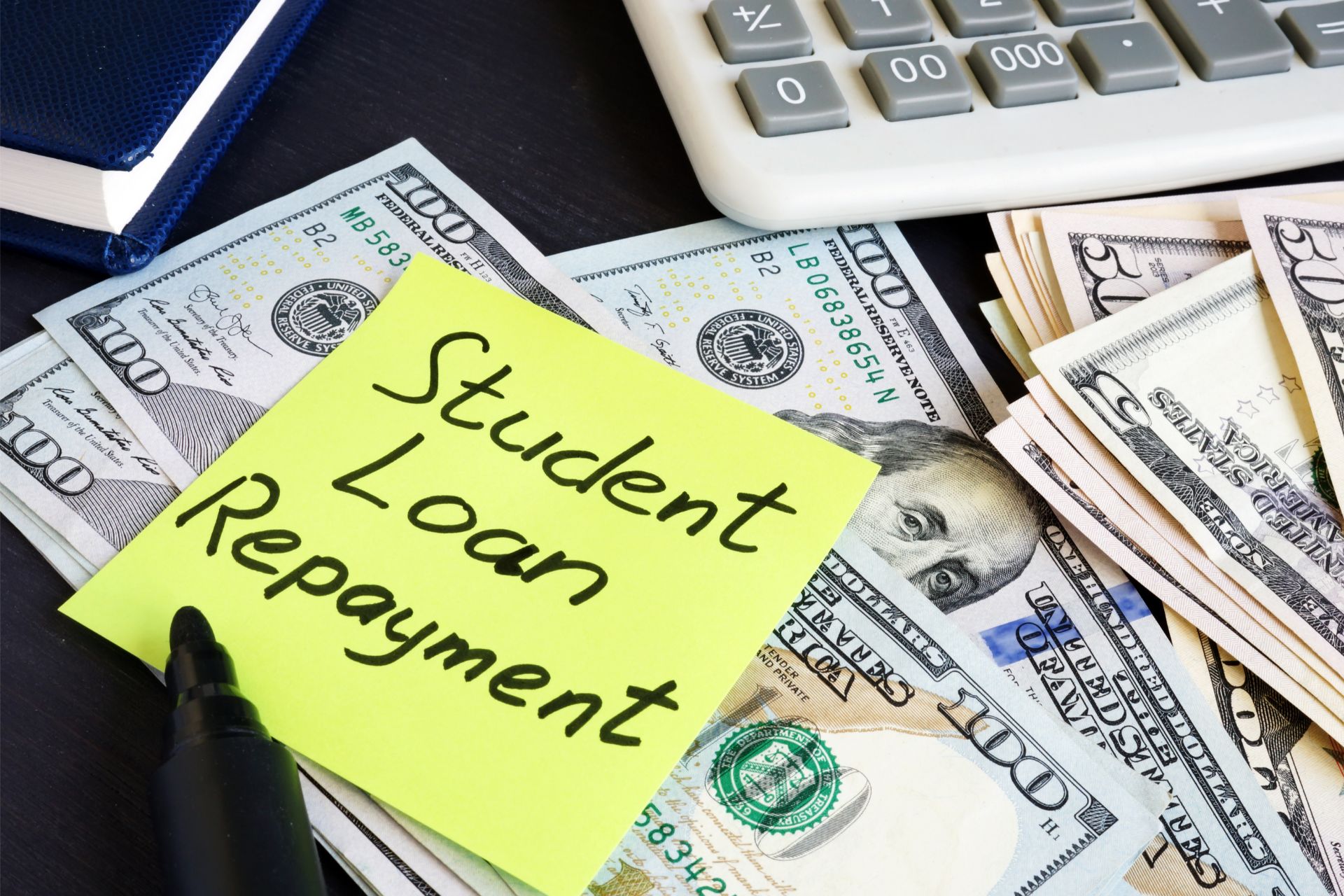
This is one of the student loan mistakes you must avoid at all costs.
Many borrowers automatically start with the standard 10-year repayment plan, without considering income-driven repayment (IDR) plans that could lower their monthly payment. Choosing the wrong plan can lead to financial strain and missed opportunities for loan forgiveness.
IDR plans cap payments based on income and family size, making them a great option for those with lower starting salaries. Some plans also offer forgiveness after 20 – 25 years of qualifying payments.
How to avoid this mistake:
- Review all repayment plans, including income-driven options.
- Consider your current and future income before selecting a plan.
- If you’re struggling with repayments, explore repayment plan adjustments.
6. Not Making Payments While In School
Many students assume they don’t need to worry about loans until after graduation. However, interest starts accumulating on unsubsidized loans while you’re still in school, significantly increasing the total amount owed.
Making even small payments can help reduce the total interest accrued and save you thousands over time.
How to avoid this mistake:
- Make small monthly payments while in school, even if it’s just $25.
- Prioritize paying interest on unsubsidized loans to prevent capitalized interest.
- Use work-study programs or side gigs to cover early payments.
7. Deferring Loans When You Don’t Need To
Loan deferment allows you to temporarily pause your student loan repayments due to financial hardship. While deferment can be helpful during financial hardship, some borrowers use it unnecessarily, which then leads to long-term financial consequences, making it one of the biggest student loan mistakes to avoid.
How to avoid this mistake:
- Use deferment only if necessary.
- Explore income-driven repayment options before requesting a deferment.
- Continue making interest payments during deferment if possible.
8. Ignoring The Loan Forgiveness Program

Another costly student loan mistake to avoid is failing to take advantage of loan forgiveness programs that could significantly reduce or eliminate your student debt.
Every year, millions of borrowers qualify for public service loan forgiveness and other forgiveness programs, but many miss out simply because they don’t know these options exist or they fail to follow the necessary steps to remain eligible.
How to avoid this mistake:
- Research loan forgiveness programs early.
- Ensure your loan type and employment qualify.
- Stay on an eligible repayment plan to maintain qualification.
9. Missing Payments Or Defaulting On Loan
One of the worst student loan mistakes you can make is missing payments or, even worse, defaulting on your loan. It’s easy to let a due date slip by especially with a busy schedule, but even one missed payment can have serious financial consequences.
When you miss a payment, your loan becomes delinquent, which can result in late fees and damage to your credit score. And if you continue missing payments for a longer period, your loan servicer might be forced to report the delinquency to the credit bureau, and this can lower your credit score significantly.
How to avoid this mistake:
- Set up automatic payments – Many loan servicers offer interest rate reductions for borrowers who enroll in auto-play. This ensures you never miss a due date.
- Use reminders and budgeting apps – Set calendar alerts, use a budgeting app, or sync your payments with your financial plan to keep track of due dates.
- Make partial payments if you can – Even if you can’t afford the full month’s amount, paying something is better than nothing.
10. Refinancing Without Considering The Consequences

Refinancing student loans can seem like a smart move – after all, who wouldn’t want a lower interest rate or smaller monthly payments? However, many borrowers jump into refinancing without fully understanding the potential downsides, which can result in losing important borrower protections, repayment flexibility, or even access to loan forgiveness programs.
When you refinance your loan, you’re essentially taking out a new loan with a private lender to pay off existing student loans. While this may help secure a lower interest or better repayment terms, it also means you forfeit all federal loan benefits.
Another mistake is refinancing too early. If your credit score isn’t strong enough or you haven’t built a solid credit history, you might not qualify for the lowest possible interest rate, making refinancing a less beneficial option.
How to avoid this mistake:
- Don’t refinance federal loans unless you’re sure you won’t need benefits like IDR or PSLF – If you want to work in public service, education, or non-profits, PSLF could save you thousands of dollars, and refinancing would make you ineligible.
- Compare multiple lenders before making a decision – Interest rates and repayment terms vary between lenders, so it’s essential to shop around for the best deal. Some lenders also offer perks like temporary forbearance, unemployment protection, or bonus cash for signing up.
- Make sure you qualify for a better interest rate – your credit score, income, and debt-to-income ratio will determine your new loan terms. However, if you have a strong credit profile, then refinancing might be worth considering.
11. Failing To Keep Track Of Loan Details And Services
Losing track of your loans, servicers, balance, or repayment details is one of the most avoidable yet biggest student loan mistakes.
A major problem is when students take out multiple loans from different lenders, often over several years. Sometimes it becomes difficult to remember due dates, servicer contact information, or even the exact amount you owe. Worst still, if your loan servicer changes, you might miss important notifications regarding repayment options or loan forgiveness opportunities.
How to avoid this mistake:
- Keep a detailed record – If you take multiple loans, it is advisable to create a document or spreadsheet with loan amounts, interest rates, servicer contact details, and due dates.
- Log in to your loan account regularly – Even if you’re on an automatic payment plan, it’s a good habit to check your loan statements at least once a month to ensure everything is processing correctly.
- Use the National Student Loan Data System (NSLDS) – If you are a federal borrower, you can always track your loans on platforms like studentaid.gov where you can see which servicer currently manages your loan.
12. Taking Out Loans Without A Clear Career Plan

One of the most common student loan mistakes to avoid is taking loans without a clear career plan. Many students take out large loans without considering their future earning potential, leading to situations where they graduate with overwhelming debt and no viable way to repay it.
It’s easy to fall into the trap of assuming that a college degree automatically guarantees a high-paying job. However, not all degrees offer the same financial return on investment.
How to avoid this mistake:
- Calculate the debt-to-income ratio – A good rule of thumb is to borrow not more than what you expect to earn in your first year after graduation. If your projected salary is $40,000 per year, try to keep the total student loan debt below that amount.
- Research salary expectations – Before borrowing, look into the average salary for your intended career. Websites like Glassdoor, PayScale, and the Bureau of Labor Statistics provide insights into earning potential.
- Consider employer tuition reimbursement – Some companies offer tuition assistance loan repayment programs as part of their benefits package.
13. Ignoring The Impact On Your Credit Score
Your student loans don’t just affect your wallet – they play a major role in your credit score, which influences your ability to do certain things in the future, such as renting an apartment, buying a car, securing a mortgage and even landing certain jobs.
The mistake many students make is failing to realize that late payments, defaulting, or missing repayments can significantly damage their credit history, making it harder to access financial opportunities in the future.
How to avoid this mistake:
- Always make payments on time – Even if you can’t afford the full payment, it is advisable to make the minimum required amount, as this can prevent negative marks on your credit report.
- Avoid defaulting at all costs. Defaulting not only ruins your credit score but can also lead to wage garnishment, collections, and long-term financial struggles.
- Set up autopay – Many loan servicers offer a small interest rate reduction if you enroll in automatic payments, ensuring you never miss a due date.
Bottom Line On Biggest Student Loan Mistakes To Avoid
Student loans can be a crucial resource for funding your education, but if not handled with caution, they can turn into a long-term financial burden. The key to avoiding overwhelming debt is understanding the potential pitfalls and making informed decisions throughout your borrowing and repayment journey.
So whether it’s borrowing wisely, staying on top of payments, or exploring forgiveness programs, every choice you make impacts your financial well-being. Remember to always think ahead, keep track of your loans, and seek guidance when needed.
Pin this for later!
