

Have you ever searched for tips for saving money on day-to-day expenses, or have you felt like your paycheck disappears too quickly, and you spend more than you should daily? If this sounds familiar, don’t worry, you’re not alone.
The reality is, that most people struggle with everyday expenses not because they earn too little, but because they’re spending inefficiently. The good news is you don’t have to cut out all fun or live frugally to save money – you just need smarter spending habits. With the right approach, you can cut unnecessary costs, maximize your budget, and still live comfortably.
In this blog post, you’ll learn how to save money on everyday expenses, using practical, easy-to-implement strategies. From cutting grocery bills to lowering utility costs, these strategies will help you spend smarter, and keep more of your hard-earned cash.

15 Brilliant Ways To Save Money On Everyday Expenses
Whether you’re looking to grow your savings, get out of debt, or develop a better financial habit, below are 15 brilliant ways to save money on daily expenses:
1. Practice DIY Maintenance And Repairs
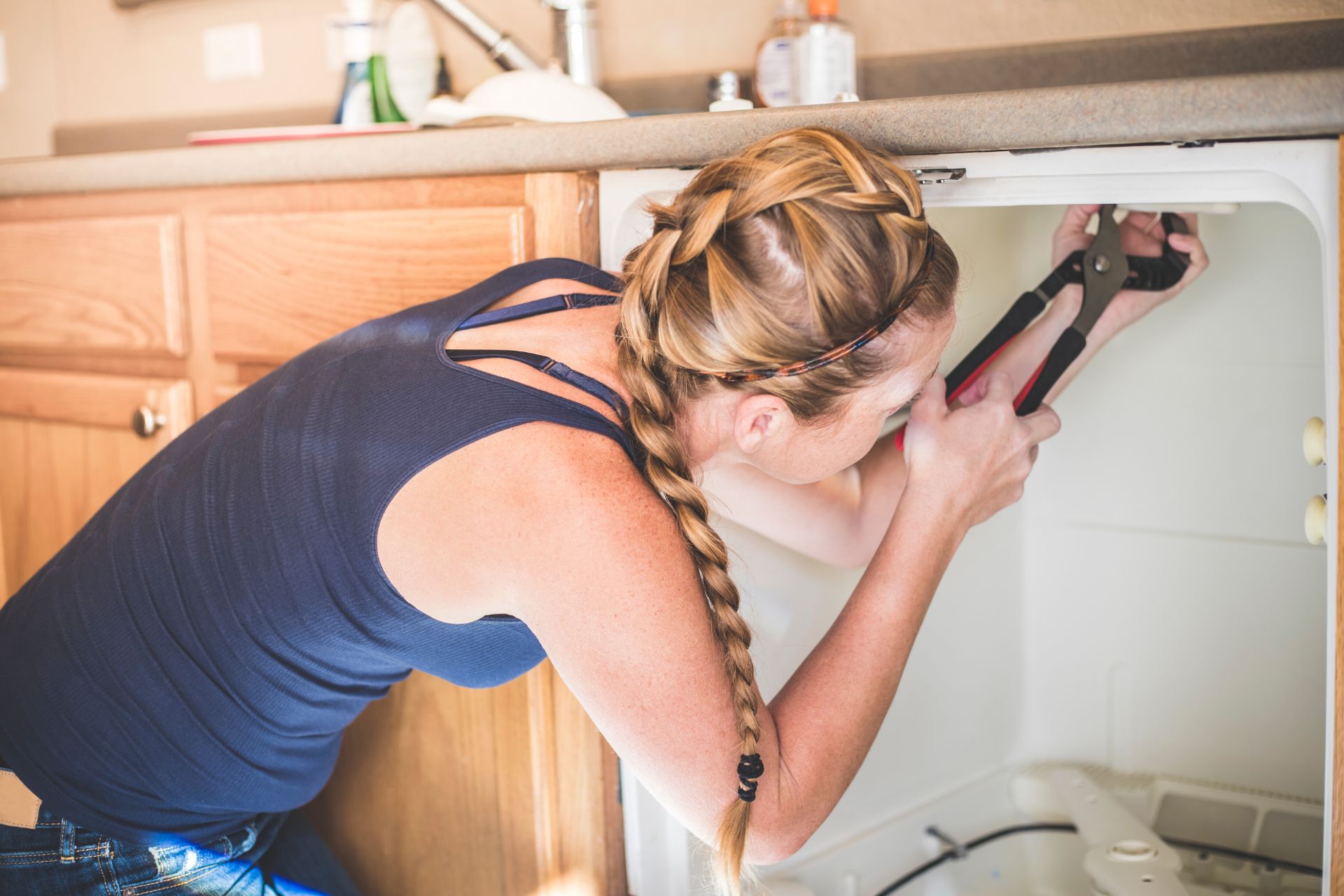
One of the easiest ways to save money on everyday expenses is by handling simple repairs instead of paying professionals. Whether it’s a leaky faucet, a broken cabinet hinge, or changing your car’s oil, DIY fixes can save you hundreds of dollars every year.
Many homeowners and car owners spend thousands of dollars annually on repairs that they could have done themselves for a fraction of the cost. Instead of immediately calling a handyman, electrician, or mechanic, try watching YouTube tutorials or reading repair guides. YouTube is packed with tutorials on plumbing, electrical work, and even car maintenance.
By investing in a basic toolkit, and learning simple maintenance skills, you can handle minor home and car repairs that would have cost you more, and save the money that you’d before paid for service fees, labor charges, and reduce unnecessary expenses.
2. Cook At Home Instead Of Dining Out

Eating out can quickly drain your budget. Whether it’s grabbing a coffee on the way to work, ordering takeout for lunch, or dining at restaurants multiple times a week, these expenses add up fast.
Cooking at home is one of the most effective ways to cut costs while also improving your health. When you cook your meals, you control the ingredients, portion sizes, and overall cost.
A homemade meal that cost you $5 to prepare could easily cost $15 or more at a restaurant. Even fast food which seems affordable, becomes expensive when purchased regularly. Imagine spending $10 per meal three times a week – that’s over $1,500 a year that could have gone toward savings or investments.
To make home cooking easier, plan your meals, batch-cook meals for busy days, and keep simple affordable ingredients stocked in your kitchen. Look for budget-friendly recipes online and experiment with different cuisines to keep things interesting.
3. Use Coupons And Discount Apps

Every time you shop without checking for coupons or discounts, you’re spending more than you need to. Many stores offer digital coupons, cashback, and loyalty rewards that can reduce your spending on groceries, clothes, and household items. You can take advantage of this to get instant savings on these items.
Apps like Rakuten, Honey, and Ibotta help you find instant deals and cashback offers while shopping online or in stores. By combining coupons and cashback, you can cut your grocery and retail shopping expenses by $100 or more every month.
A few minutes of effort could save you $20 – $50 per shopping trip. And with time, these small savings add up to hundreds or even thousands of dollars per year.
4. Take Advantage Of Free Community Events

Entertainment costs can quickly eat into your budget, especially if you frequently go to concerts, movies, or other paid activities. But the truth is, you don’t have to pay so much for an amazing fun experience.
Many communities and cities offer free concerts, movie nights, festivals, and other entertainment options that can help you save money on everyday expenses without giving up fun. You just need to know where to look.
Instead of spending $50+ on a single movie ticket and snacks, consider visiting free museums or attending community theater productions. Check your local parks, libraries, and community centers for free concerts, movie nights, and workshops.
5. Plan Errands To Minimize Fuel Consumption
Gas prices are unpredictable, but smart planning can help you spend less. If you’re driving frequently without planning your routes, you’re likely wasting fuel and money. By grouping errands and mapping out the most efficient route, you can reduce fuel costs and unnecessary mileage on your car.
For example, if you cut your weekly fuel usage by even 2 gallons, you could save $300 – $500 per year on gas alone. Moreso, using apps like GasBuddy helps you find the cheapest gas stations near you, saving you $5 – $10 per refill.
Practically, if you can reduce your gas consumption by just one tank per month, that’s an extra $500 saved each year.
6. Use Energy-Efficient Appliances
High electricity bills are a silent money drainer. But by switching to energy-efficient appliances, you can cut your monthly utility costs significantly. If you’re using outdated appliances and leaving lights on, you’re wasting money daily.
For example, LED bulbs use 75% less energy than traditional bulbs and they last much longer. A smart thermostat can automatically adjust temperatures to reduce energy waste, saving you hundreds of dollars per year on heating and cooling costs. Switching to these smart and energy-efficient appliances is a great way to save money on everyday expenses.
Additionally, something as simple as unplugging electronics when they’re not in use can save $100 – $200 per year.
7. Shop With A List To Avoid Impulse Purchases

One of the easiest ways to save money on everyday expenses is by shopping with a list and sticking to it. Impulse purchases – grabbing items you didn’t plan to buy – are one of the biggest reasons people overspend.
Retailers use strategic product placements, sales tactics, and eye-catching packaging to tempt you into buying things you don’t need. Without a clear plan, it’s easy to fall for these tricks and spend more than intended.
By creating a shopping list before heading to the store, you set clear spending boundaries.
Start by planning your meals for the week and listing only the ingredients and essentials you need. Shopping with a list also helps you manage your budget more effectively. It prevents you from wasting money on non-essentials and ensures that every dollar is spent intentionally.
Over time, these small savings add up, freeing up more money for important financial goals like building an emergency fund, investing, or paying off debt.
8. Review And Cancel Unused Subscriptions
Reviewing and canceling unused subscriptions is one of the simplest yet most effective ways to save money on everyday expenses.
Many people unknowingly waste hundreds of dollars every year on subscriptions they no longer use or need. These could be streaming services, gym memberships, magazine subscriptions, mobile apps, cloud storage plans, or even meal delivery services that you signed up for but rarely use. Because these payments are often automatic, they can silently drain your bank account without you even realizing it.
For services you still want but find expensive, consider downgrading to a lower-tier plan or look for alternative free versions. If you have multiple streaming platforms, ask yourself if you need them all. Rotating between services – subscribing to one for a few months and then switching to another – can help you enjoy variety while keeping costs low.
9. Implement The Envelope Budgeting System

If you have trouble controlling daily spending, the envelope budgeting system is a powerful way to manage your cash flow. This method prevents overspending by assigning cash to different spending categories (groceries, dining, entertainment, etc.)
Allocate specific amounts of cash for each spending category into separate envelopes. Once an envelope is empty, you can’t spend more in that category.
This system not only forces you to stay within budget, and prevents overspending, it also helps you eliminate wasteful spending and ensures you stick to your budget.
10. Use Public Transportation Or Carpool

Driving your car daily comes with gas, insurance, parking fees, and maintenance costs. Relying on your car for your daily commute can make it hard to save on expenses. Many cities offer affordable transit passes, and ridesharing with coworkers or neighbors can also reduce fuel and maintenance costs.
If possible, opt for public transportation, biking, or carpooling a few days a week. These are some ways to save money on everyday expenses and reduce transportation costs.
11. Conduct A Home Energy Audit
A lot of people overpay for utilities without realizing it. A home energy audit can help you identify where you’re losing money on either electricity or heating. Small changes like sealing windows, upgrading insulation, and adjusting your thermostat can reduce your heating and cooling bills.
You can hire a professional or conduct a DIY audit by checking for air leaks, insulating windows, and ensuring your heating and cooling systems are running efficiently. Fixing drafts, using energy-efficient curtains, and installing weather stripping can lower heating and cooling costs.
12. Buy Generic Brands

One of the ways to save money on everyday expenses is by buying generic brands.
Many people automatically reach for name-brand products, assuming they are superior, but in reality, generic alternatives often provide the same quality at a much lower price. Whether it’s groceries, medicine, cleaning supplies, or even clothing, opting for store brands can significantly reduce your shopping bill.
Supermarkets and pharmacies often stock their generic versions of common items, and these products are usually made by the same manufacturers as their name-brand counterparts. The only real difference is the packaging and marketing.
When you buy a brand-name product, you’re often paying extra for the advertising and fancy labels rather than the actual ingredients or effectiveness.
13. Set Up Automatic Savings Transfer
If you find it hard to save, automate it.
Set up an automatic transfer to your savings account after every paycheck. This will help ensure that a portion of your income is saved before you have a chance to spend it. Even saving amounts as small as $20 per week, can add up to over $1,000 per year.
One good thing about this strategy is that it helps build an emergency fund and work toward financial goals without having to think about it.
14. Adopt A Minimalist Lifestyle
A minimalist lifestyle isn’t about depriving yourself; it’s about prioritizing what really matters—focusing on needs rather than wants.
Instead of accumulating more stuff, it’s about valuing experiences, keeping only the essentials, and living with intention. By cutting out unnecessary clutter, you can free up money for more important financial goals.
Being mindful of your space, avoiding impulse purchases, and asking if each item truly adds value to your life can help you save more money and reduce financial stress.
15. Practice A 30-Day Rule For Purchase
If you struggle with impulse spending, you might want to consider the 30-day rule.
Before buying non-essential items, wait 30 days before making the purchase. This waiting period helps you evaluate whether you truly need the item or if it was just a momentary desire. Most of the time, you’ll realize you don’t need the item, saving you hundreds per year.
This simple habit prevents impulse purchases and helps you make smarter financial decisions.
Quick Summary: How To Save Money On Everyday Expenses
Saving money on everyday expenses doesn’t require drastic sacrifices or a complete overhaul of your lifestyle. It’s about making smarter choices, developing mindful spending habits, and embracing small, consistent changes that add up over time.
By applying these strategies – such as cooking at home, shopping with a list, using public transportation, and buying generic brands – you can significantly cut unnecessary costs without compromising on quality or convenience.
These tips for saving money in your daily life will not only instill financial discipline, but will make it easier to achieve long-term financial goals like building an emergency fund, investing, or even enjoying guilt-free splurges on things that truly matter.
Pin this for later!
