

For a long time, I thought people who had their finances together were just better with numbers, luckier with opportunities, or simply making more money than I was. It took me longer than I care to admit to realize that none of those things was the real difference.
The difference was habits. Small, consistent, unglamorous habits they built early and kept up quietly while I was still waiting for some future version of myself to finally get serious about money.
No one handed me a financial playbook growing up. I figured things out as I went, which mostly meant repeating the same patterns, making the same avoidable mistakes, and wondering why my bank account never quite reflected how hard I was working.
The frustrating part is that the habits I eventually learned were not complicated. They did not need a finance degree, a high income, or perfect discipline. They just needed starting, and starting earlier than I did.
These are the 13 daily money habits I wish someone had sat me down and walked me through from the beginning. Not because they are secrets, but because knowing something and actually building it into your life are two very different things. If even one of these shifts something for you the way they eventually shifted things for me, this list will have done its job.

13 Daily Money Habits That Will Improve Your Life
Some of these habits will challenge the way you think. Others will make you wonder why no one told you about them sooner. A few might even be uncomfortable to read, because you’ll recognize yourself in them. And that’s a good thing. Awareness is always where change starts. So here are 13 essential money habits you can start working on right away:
1. Rewrite The Money Story You Grew Up With

Many of us did not consciously pick up the negative money myths we have come to accept. We just picked them up along the way from overhearing our parents conversations at the kitchen table, from watching how they reacted when the bills arrived, and from sensing whether money brought security or stress into our home.
By the time we were old enough to earn our own money, those beliefs were already running in the background, quietly shaping every financial decision we made without us even realizing it.
My own money story told me that wanting more money was selfish, that financial struggle was just what ordinary people dealt with, and that getting ahead was for other kinds of people. I carried those stories into my twenties and paid for them in ways I am still calculating.
The moment I started examining them, writing them down, and asking myself honestly whether they were true or just familiar, something shifted. It did not happen overnight, but it was genuine and permanent.
Before you touch a single number in your financial life, sit with this one thing. The habits you build on top of a broken money story will always feel like a battle. But if you build them on a rewritten one, they start to feel like a natural expression of who you are becoming.
2. Looking Rich Is Not The Same As Being Financially Stable
I used to think I was doing fine with money. From the outside, it probably looked that way. Nice clothes, eating out all the time, always having the newest phone. Nothing too crazy. But underneath it all, my savings just weren’t growing the way they should have been. I lived like that for longer than I care to admit.
What changed for me was when I stopped judging my financial health by how things looked and started looking at what I actually owned, what I was building, and how long I could get by if my income suddenly stopped.
Real wealth comes from habits, not appearances. This article on the money habits of wealthy people shows you what those habits actually look like in real life.
3. Don’t Wait Until You Make More Money To Learn How To Manage It

I told myself this for years. I said I would get serious about budgeting, saving, and investing once I was earning enough for it to matter. What I did not understand back then was that the habits have to come before the income, not after it. More money flowing in without a financial structure does not build wealth. It just pays for a more expensive version of the same habits.
The people I have watched build real financial security over time did not wait until they felt ready. They started learning while they were still figuring things out, when the stakes were low enough that mistakes were cheap.
They understood how compound interest worked, how taxes affected their take-home pay, and how to read the basic terms of a loan before signing one. Not because they were special, but because they started before they thought it mattered.
4. Creating A Personal Budget Is Not Restriction

Budgeting had a bad reputation in my mind for years. It felt like a punishment, a set of rules designed to stop me from enjoying my money. But the version of budgeting I eventually came to understand is nothing like that.
A budget is simply a plan. It is the act of deciding in advance, with intention, what your money is going to do instead of looking back at the end of the month and wondering where it went.
The first month I built a real budget and actually followed it, I did not feel restricted. I felt in control for the first time in years. Not because I had more money, but because I had clarity. I knew what was coming in, what was going out, and what was left. Building that clarity from scratch is easier than most people think, and that is why I wrote this piece on how to make a monthly budget that really works. It is a practical guide that walks you through exactly how to set one up and stick with it.
5. Build A Written Financial Plan Early
A budget helps you manage your money from month to month. A financial plan is what helps you manage your life. For most of my twenties, I didn’t have either. That meant I was making financial decisions without any real direction. I was just reacting to things as they came up instead of working toward something I actually chose. Every purchase, every expense, every financial choice felt like its own thing with no bigger picture to guide it.
A written financial plan does not have to be fifty pages long. It just needs to answer a few honest questions. Where do I want to be financially in five years? What does that actually cost? What do I need to do this year, this month, or this week to get there?
Writing the answers down turns vague hopes into something real enough to act on. It also makes it a lot harder to talk yourself into financial decisions that feel good in the moment but take you in the wrong direction.
6. Treat Saving Like A Non-Negotiable Bill

For years, I would spend what I needed and save whatever was left. The predictable result was that very little was left. Spending naturally expands to fill the space you give it, and without a firm boundary to protect your savings, that space never stays empty for long.
What finally changed things for me was taking the decision out of my hands. I set up an automatic transfer for the same day my paycheck arrived, before I even had a chance to see the money as available.
It felt uncomfortable at first, like I was giving something up. Within a few months, I stopped noticing it. Within a year, I had saved more than in the previous four years combined. It wasn’t because my income had changed. It was because I stopped treating saving like it was optional.
Start with an amount that feels uncomfortable enough to matter but manageable enough to stick with, and build from there.
7. Automate Your Finances To Stay Consistent
I used to think keeping up with your money was all about being disciplined and paying attention. But what I have learned since is that it is mostly about having the right systems in place.
Willpower only goes so far. It runs out when life gets busy, when you are stressed out, or when you just do not feel motivated. Systems do not have that problem. They work whether you are paying attention or not.
Automating your finances is one of those smart money habits that really helped me get past the biggest thing that was holding me back, which was having to make the right choice every single month.
When the right habits happen on their own, they just happen without me having to rely on how motivated I feel on any given Tuesday. That kind of reliability is what built the foundation I have today, more than any one smart financial move.
8. Pay Yourself First
Paying yourself first just means treating your own financial future like a real priority. There’s no other way around it. Before rent, before groceries, before anything else, you take a part of every paycheck and put it toward your future. Not whatever is left over.
I started by building what a lot of financial experts call a pay yourself first budget. I began with an amount so small I barely even noticed it in my day-to-day spending. Then I slowly increased it as the habit grew.
Putting my financial future ahead of everything else with every single paycheck has done more than just grow my savings. It built an identity. It made me someone who takes their financial life seriously. And that identity made every other habit on this list much easier to stick with.
9. Invest Consistently Instead Of Timing The Market

I waited years to start investing seriously. The market always felt too high, too uncertain, too risky, or just something. There was always a reason to wait for a better time, and I took every one of those reasons seriously while the years went by and compounding quietly did its work for everyone else.
What I eventually realized is that waiting for the perfect moment to invest is itself an investment decision, and it is one of the most expensive ones you can make.
Investing a consistent amount every month, regardless of market conditions, means some months you buy high and some months you buy low. Over time, it averages out, and the compounding that builds up over ten or twenty years is something that is really hard to match any other way.
10. Max Out Your Employer Match Before Anything Else

If your employer offers a retirement contribution match and you are not capturing the full amount, you are declining part of your compensation with every paycheck. I did not fully understand this until I sat down and calculated what I had left on the table over several years of partial participation. The number was uncomfortable to look at.
An employer match gives you an immediate return on your contribution of anywhere from 50% to 100%, depending on your plan. Nothing in investing, no asset class, no strategy, no financial product gives you that kind of immediate return consistently. It should always be the first place you put your retirement savings, before any other investment account, before any other financial priority except basic living expenses and high-interest debt.
11. Your Credit Score Really Does Matter
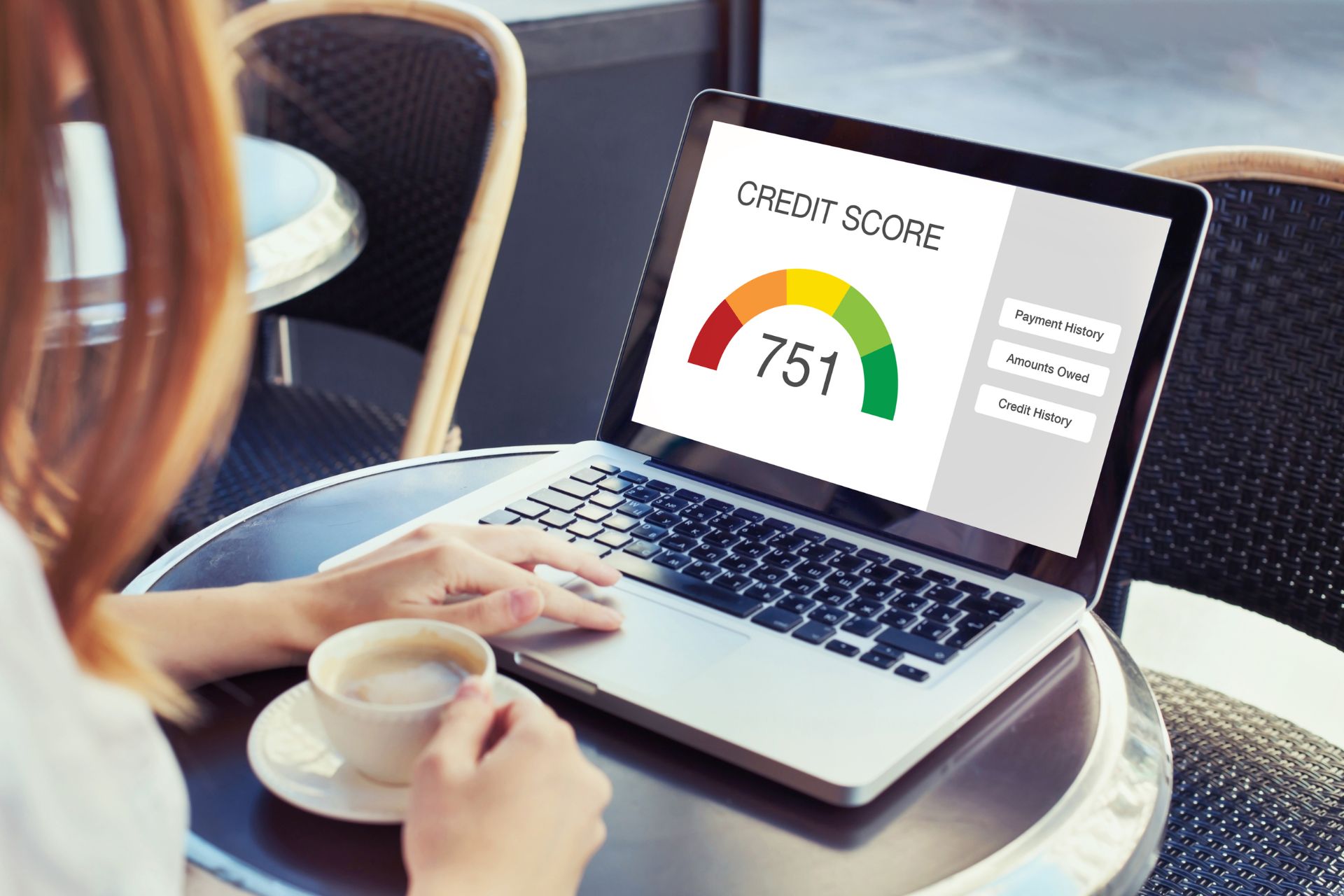
I used to think my credit score only mattered when I bought a house. That felt so far off that I never really gave it much thought. What I didn’t realize is how many other parts of financial life it quietly affects, like rental applications, car financing, insurance premiums, and even some job screenings. When your score is low, it costs you in ways you don’t see until you’re already paying for them.
Building and keeping a strong credit score isn’t complicated. Pay every bill on time, keep your credit card balances well below the limit, and don’t open or close accounts without a clear reason. If you stick to those three habits, most people will go from a poor score to a good one in about a year and a half. The earlier you start, the longer that good history works in your favor.
12. Use A Cooling-Off Period Before Big Purchases
The most expensive purchases I have ever regretted all had one thing in common. I made them quickly.
Something caught my attention, the urge to buy it was strong, and I acted before that feeling had time to settle. A few weeks later, the excitement was gone, but the charge was still on my statement.
That is why a 48 to 72-hour cooling-off period before any big unplanned purchase is one of the simplest daily money habits I have ever built. Most of the time, the urge goes away completely. When it does not, I know the purchase is something I really want, and I can buy it without regret. Either way, I come out ahead.
13. Read One Good Finance Book A Year

One book a year. That means you have twelve months to read a single book about money. It sounds almost too simple to even bring up, but most people never do it. I didn’t for years, and the difference in how I think about money before I started versus after is hard to overstate.
You don’t need to read twenty books or become an expert. You just need one good book a year that shifts your perspective even a little.
Some of the best finance books to read are The Millionaire Next Door by Thomas Stanley, The Psychology of Money by Morgan Housel, and I Will Teach You to Be Rich by Ramit Sethi. Any one of them will change how you think about money in a way that sticks with you long after you finish reading.
Quick Summary: Smart Daily Money Habits
Looking back at every habit on this list, the same thread runs through all of them, and it is intention. It is the decision to stop letting money just happen to you and to start making deliberate, consistent choices about where it goes and what it builds.
None of these habits requires a financial background. None of them demands a high income or perfect discipline. What they ask for is a starting point and the willingness to keep going past the first month when the novelty wears off and it starts to feel like an ordinary, unglamorous routine. That is exactly when the habits are working.
Pick the one that stings a little when you read it. The one that felt uncomfortably familiar. Start there, build it until it is automatic, and then come back for the next one. A year from now, you will not recognize your financial life, and you will wish, just as I did, that you had started sooner.
Pin this for later!