

Have you spotted a typo in a book, blog post, or social media caption and thought, “I could have caught that”? If so, you might have the knack for proofreading, a valuable skill that can earn you money from virtually anywhere.
In today’s digital age, content is everywhere, and businesses, authors, and content creators are constantly looking for sharp-eyed proofreaders to ensure their work is error-free. Proofreading offers flexible income opportunities as a side gig or a full-time remote career.
In this blog post, I’ll cover profitable ways you can make money from home proofreading, show you how to build a successful career, and introduce you to the best websites for finding proofreading jobs. Plus, I’ll share the essential tools that professional proofreaders use to maintain accuracy and efficiency.
What Is Proofreading?
Proofreading is the final step in the writing and editing process. It is a low-stress income stream that involves carefully reviewing a piece of content to identify and correct errors in grammar, punctuation, spelling, and formatting.
Unlike editing, which focuses on improving clarity, coherence, and style, proofreading is primarily concerned with accuracy and detail.
A proofreader’s job is to catch small but significant mistakes that could undermine the professionalism of the content. Whether it’s a blog post, book manuscript, academic paper, or marketing copy, proofreading ensures that the final product is polished and error-free.
By honing your proofreading skills, you can turn your attention to detail into a valuable asset and get paid to proofread content of various types.
How Much Money Can You Make As A Proofreader?
If you’re curious about how to make money proofreading, understanding the earning potential is key. Whether you’re working as a freelancer, part of a content team, or running your own proofreading business, there’s good money to be made if you have the right skills and dedication.
Freelance proofreaders typically charge by the hour, by the word, or per project. Rates can vary based on experience, niche, and client expectations, but here’s a general breakdown:
- Per Hour: $20 to $30 on average, with highly experienced proofreaders earning up to $75 or more.
- Per Word: Rates range from $0.01 to $0.05 per word, depending on the complexity and turnaround time.
- Per Project: Longer or specialized projects (like book manuscripts) can range from $500 to $3,000.
Your earnings will largely depend on your expertise and the niche you focus on. Specializing in a niche can significantly boost your income. For example, proofreading academic papers, legal documents, or medical content often costs higher rates due to the technical knowledge required.

How To Become A Proofreader
Becoming a successful proofreader requires more than just a love for words. It involves honing skills, gaining experience, and building a professional presence. Whether you’re starting from scratch or looking to formalize your existing skills, follow these steps to launch your proofreading career:
1. Understand The Role Of A Proofreader
Before diving in, it’s crucial to know what proofreading entails. Proofreaders meticulously review content to spot and correct errors in grammar, punctuation, spelling, and formatting. The goal is to ensure clarity, consistency, and professionalism in the final product.
Proofreaders work with a variety of content, including:
- Academic papers: Ensuring clarity, proper citations, and grammatical accuracy.
- Books and Manuscripts: Checking for consistency and typographical errors.
- Business Documents: Reviewing reports, proposals, and marketing materials.
- Online content: Proofreading blog posts, articles, social media content, and website copy.
Mastering these areas will position you as a professional, helping you consistently get paid to proofread various types of content.
2. Develop Essential Skills
To succeed as a proofreader, you must master a combination of language skills and personal attributes. First and foremost, a solid grasp of grammar, punctuation, and syntax is essential.
As a proofreader, you’ll need to spot even the smallest errors, such as misplaced commas, incorrect verb tenses, or typos. In addition to technical knowledge, proofreading requires attention to detail. This is the ability to focus on the text at hand and pick up subtle inconsistencies that others may overlook.
3. Gain Knowledge And Training
While proofreading doesn’t require formal qualifications, gaining specialized knowledge and training will give you an edge in a competitive market.
Numerous online courses and certification programs focus specifically on proofreading, grammar, and language. For example, by investing time in structured training, you’ll gain insights into various style guides (such as APA, MLA, and Chicago) and how to apply them to different types of content.
4. Build Experience
One way to earn money proofreading online is by building experience, as this will help establish you as a reliable and skilled proofreader.
Start by volunteering your proofreading services to local businesses, community groups, or friends who may need help with their writing. These initial experiences will give you practice and can also lead to recommendations or referrals.
Additionally, consider reaching out directly to businesses, authors, or content creators who may require proofreading for their websites, blogs, or publications.
5. Create A Portfolio
Your portfolio is a powerful tool for showcasing your proofreading skills to potential clients.
To start, compile a section of your best work, whether that’s before-and-after samples of edited documents or projects you’ve proofread. Ideally, your portfolio should display a variety of content types, such as articles, business reports, and creative writing, so clients can see your versatility.
You can showcase your work on a personal website or portfolio platforms like Canva or Behance. These platforms allow you to present your work in a polished and professional manner, making it easier for clients to view and assess your abilities.
6. Start Finding Gigs
Once you’re confident in your skills and have built a portfolio, it’s time to find clients. You can do so by signing up on freelance platforms like Freelancer, Fiverr, and Upwork.
You can also increase your chances of landing gigs by connecting with other writers, editors, and content creators who might need your services. Regularly check platforms like ProBlogger, FlexJobs, and LinkedIn for proofreading gigs.
One other way to get gigs is by promoting your services on Facebook, LinkedIn, and niche groups related to content creation.
10 Best Websites For Finding Proofreading Jobs
When it comes to finding jobs, the internet is full of opportunities. With so many platforms available, it can be overwhelming to know where to start. If you’re looking for apps that pay you to proofread, the following websites are great places to start:
1. Upwork
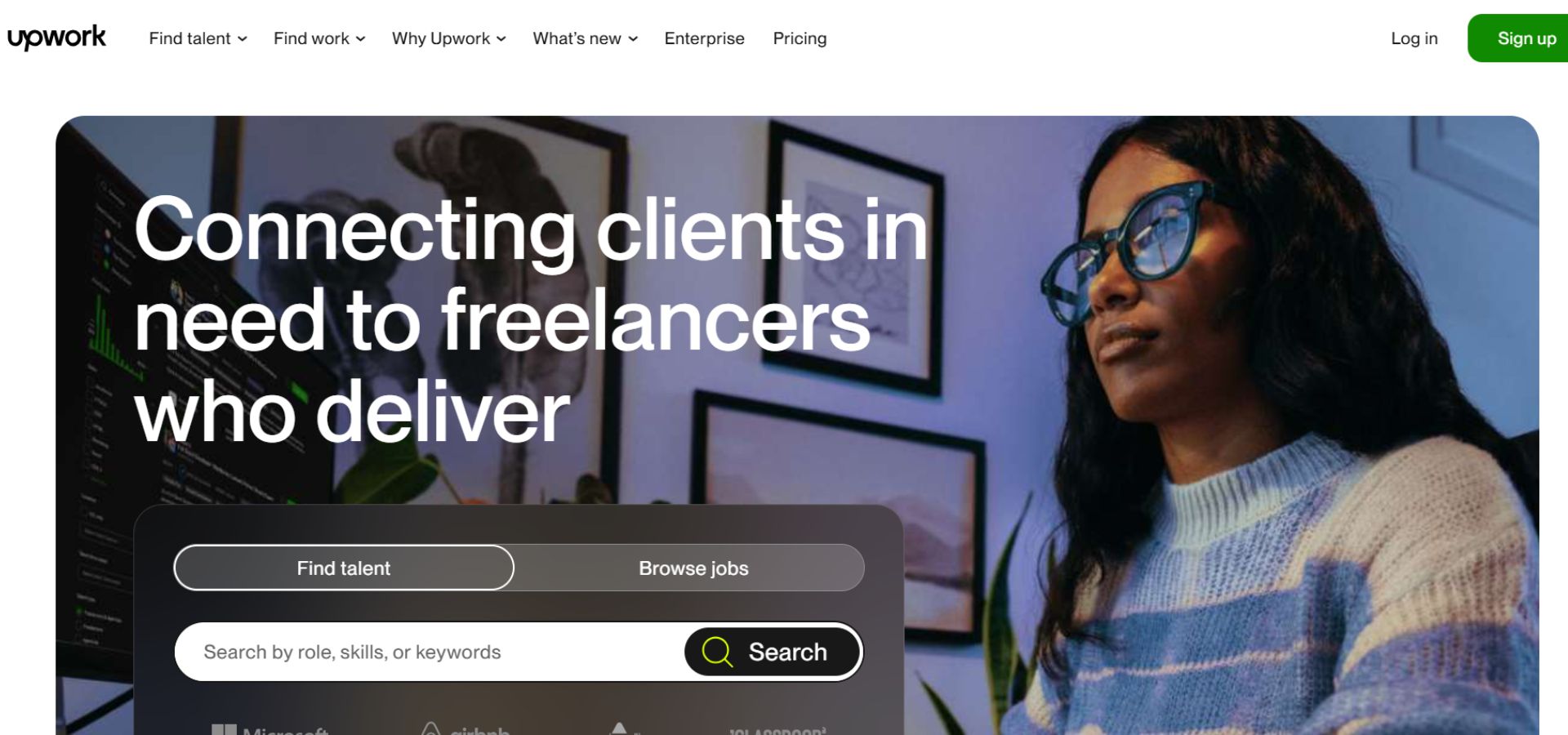
Upwork is one of the most well-known freelance platforms for all types of professionals, including proofreaders.
It offers a wide range of job listings, from short-term projects to long-term contracts. As a new proofreader, you can start with smaller tasks to build your reputation, and over time, work your way up to more complex projects.
The platform allows you to create a profile that showcases your skills, past work, and rates. However, be mindful of the service fees Upwork charges, which can range from 5% to 20% depending on the project’s value.
2. Fiverr
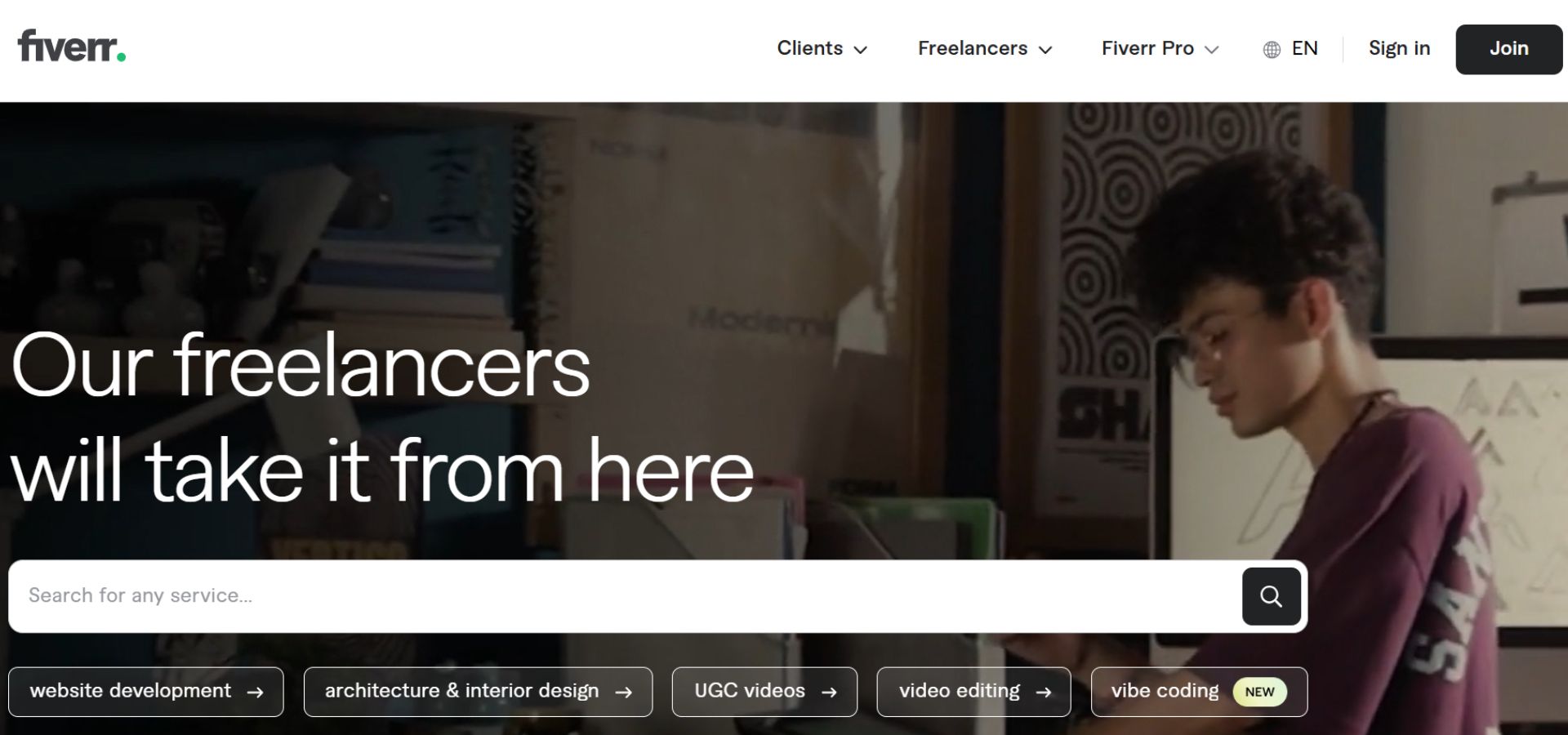
Fiverr is another popular freelancing platform, known for offering services starting at $5. While this may seem like a low rate, Fiverr can be an excellent place to build your proofreading portfolio and attract clients.
Many proofreaders use Fiverr to offer specialized proofreading services, such as editing for academic papers, business documents, or blog posts. By setting clear service packages (e.g., proofreading a 1,000-word document for $10), you can create a straightforward pricing structure that appeals to a wide range of clients.
3. FlexJobs
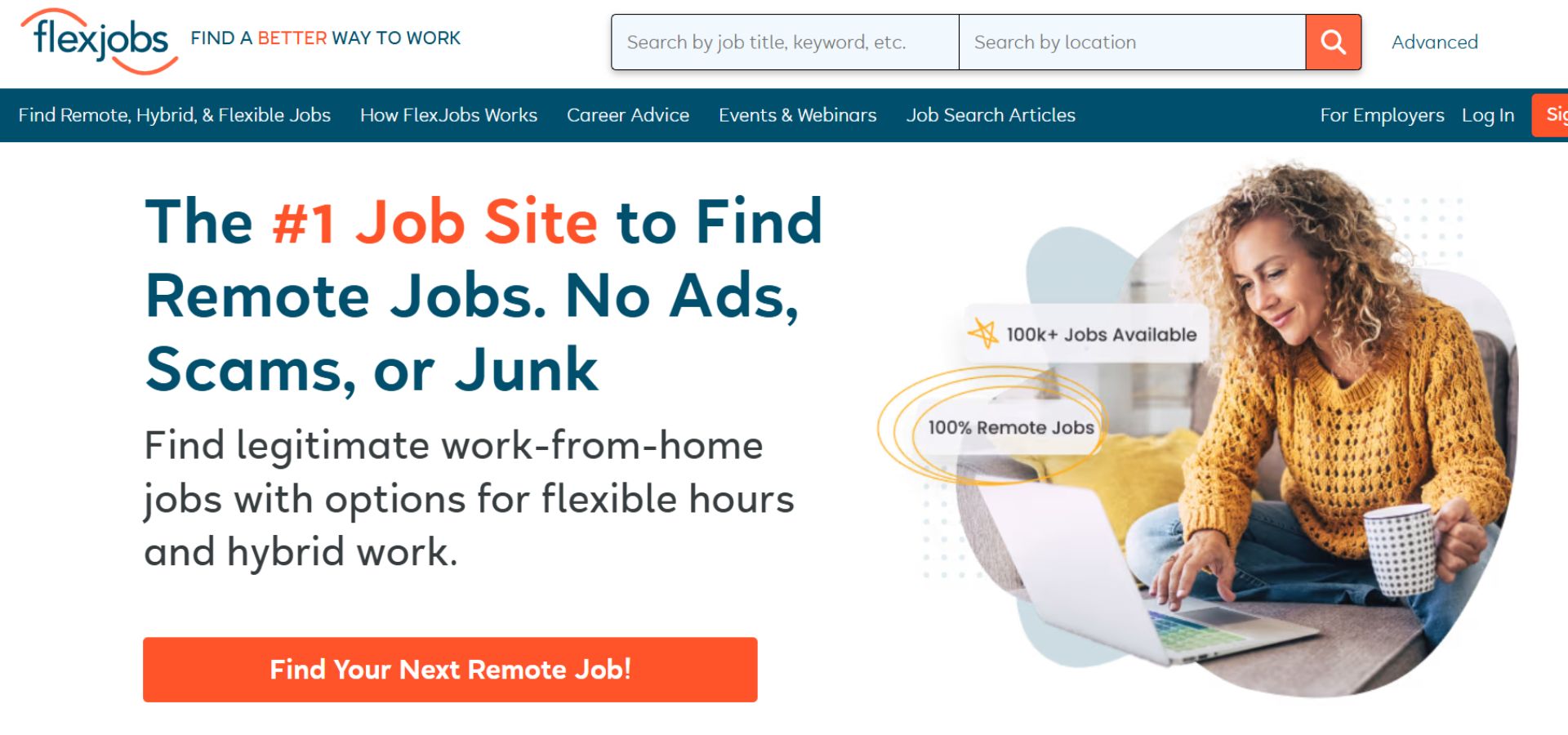
If you’re looking for more professional, vetted opportunities, FlexJobs is an excellent resource.
Unlike other freelancing platforms, FlexJobs handpicks job listings and ensures that they are legitimate and high-quality. This means you won’t have to wade through spammy job posts or low-paying gigs.
FlexJobs offers a subscription-based service where you can access thousands of remote job listings, including proofreading and editing positions.
4. ProofreadingServices.com
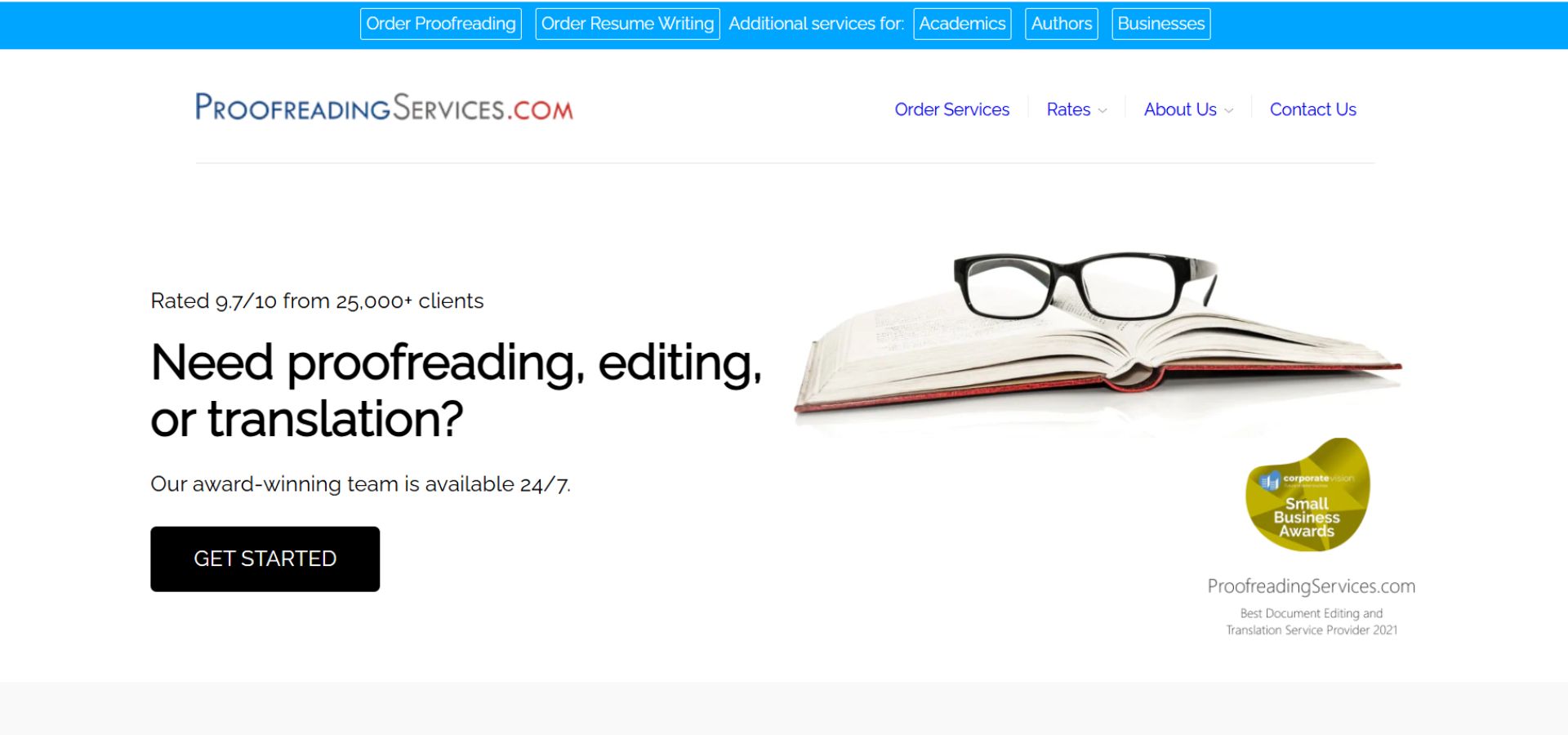
ProofreadingServices.com is a specialized platform dedicated to connecting freelance proofreaders with clients in need of editing services. It’s known for offering competitive pay rates and a wide range of proofreading jobs, including academic papers, business documents, and more.
To get started, you’ll need to pass a proofreading test to join the platform, which helps ensure the quality of service provided.
5. Clickworker

Clickworker is a micro-tasking platform that allows freelancers to complete small tasks for pay, including proofreading. It’s a great option for those who are just starting their proofreading careers and want to build experience quickly.
Tasks on Clickworker include text creation, categorization, proofreading, and surveys, among others.
6. EditFast
EditFast is a freelance editing platform that specializes in connecting proofreaders with clients needing high-quality editing and proofreading services. The platform is particularly appealing to professionals who have a niche expertise in specific fields, such as legal, academic, or medical proofreading.
To join EditFast, you must apply and go through a thorough vetting process, including submitting a sample of your work.
7. Gramlee
Gramlee is an editing service that offers proofreading and editing jobs to freelance professionals. Gramlee stands out because it focuses on higher-paying editing tasks for a more professional clientele, including businesses, authors, and academic professionals.
To start working with Gramlee, you need to apply through their website and undergo a rigorous selection process.
8. Cactus Communications
Cactus Communications is a global provider of editing, proofreading, and writing services, specializing in academic, medical, and scientific documents. This makes it a great platform for proofreaders who have experience in these specialized fields.
Cactus Communications hires freelance proofreaders on a project basis, and while they require proofreaders to have subject-matter expertise, it’s an excellent platform for those looking to work with academic journals, research papers, and medical texts.
9. Scribendi

Scribendi is one of the most well-known proofreading and editing services, offering freelance positions to experienced editors and proofreaders.
With a strong reputation for quality, Scribendi is an attractive platform for those seeking stable work with reliable pay.
The platform serves a variety of clients, including authors, students, businesses, and ESL learners, making it an excellent option for proofreaders with a broad range of interests.
10. Reedsy

Reedsy is a specialized platform for book publishing professionals, including proofreaders, editors, and writers. It connects authors and publishers with freelancers who provide editing, proofreading, and book production services.
Reedsy is particularly beneficial for those who want to specialize in proofreading books, manuscripts, and long-form content.
5 Must-Have Tools For Proofreaders
If you truly want to get paid to proofread, there are certain tools available that can help improve your productivity, accuracy, and workflow. Below are five essential tools that every proofreader should consider using:
1. Grammarly
Grammarly is one of the most popular and widely used proofreading tools available today. It serves as an advanced grammar checker, helping to catch errors that you might miss during manual proofreading.
Grammarly offers suggestions on spelling, punctuation, grammar, sentence structure, and even tone. For proofreaders, it’s especially useful for identifying repetitive mistakes and ensuring that text flows naturally.
2. ProWritingAid
ProWritingAid is another comprehensive editing tool that is perfect for proofreaders who want to enhance their workflow. This tool provides in-depth analysis of writing, including grammar and style checks, sentence structure, and even readability scores.
ProWritingAid is particularly useful for those working on longer documents like articles, essays, or manuscripts, as it allows you to analyze large amounts of text without feeling overwhelmed.
3. Hemingway Editor
The Hemingway Editor is a fantastic tool for improving the readability of any document. While other proofreading tools focus mainly on grammar and spelling, Hemingway Editor focuses on sentence structure, readability, and style. It highlights complex sentences, passive voice, and adverbs that could be simplified for clarity.
For proofreaders working on content intended for a wide audience, this tool helps ensure that text is clear, concise, and easy to understand.
4. Ginger Software
Ginger Software is a powerful proofreading tool that can help proofreaders catch grammar and punctuation errors quickly. It offers a variety of features, including grammar and spell check, sentence rephrasing, and even translation services for multilingual proofreading.
Ginger’s ability to suggest alternative sentence structures and phrases is a valuable feature, helping proofreaders refine the writing and make it more impactful.
5. QuillBot
QuillBot is an AI-powered writing tool that assists with paraphrasing and rewording text. While it’s not strictly a grammar checker, QuillBot is a valuable resource for proofreaders who need to rephrase sentences or paragraphs for clarity, conciseness, or style.
The tool uses advanced algorithms to understand the meaning of sentences and rephrase them while maintaining the original intent.
Starting Your Own Proofreading Business
No matter where you are in the world, you can easily get paid to proofread; however, starting this business requires planning, organization, and a strategic approach. Below are key steps to help you build a successful proofreading business:
1. Lay The Groundwork
Before jumping into the world of entrepreneurship, it’s essential to lay the foundation for your proofreading business. This begins with determining what niche or market you want to focus on.
Proofreading covers a wide range of industries, including academic, medical, legal, and corporate sectors. Having a clear understanding of your target audience and the types of proofreading services you want to offer will help guide your business decisions.
2. Start Up Your Online Presence
Start by building a professional website that showcases your services, qualifications, and previous work. A well-designed website will act as your business card and portfolio, providing potential clients with all the information they need to hire you.
3. Offer Structured Services
To stand out from other proofreaders and attract more clients, offering structured services can help you build a reputation for being reliable and professional.
Clearly define the services you offer, whether it’s proofreading, editing, or formatting, and make sure your clients understand exactly what they will get for each service. You could offer different tiers of service, such as basic proofreading, in-depth editing, and manuscript evaluation.
4. Price Your Services Strategically
Pricing your proofreading services is a delicate balance. If you price too high, you may struggle to attract clients, but if you price too low, you risk undervaluing your skills and not earning a sustainable income.
Start by researching industry rates for proofreading in your niche and location, and consider your experience when setting prices.
5. Marketing And Client Acquisition
Marketing is crucial for any business, and it’s no different for a proofreading business.
There are numerous ways to market your services, both online and offline.
Networking is key; attend industry events, join professional organizations, and make connections with authors, editors, and other professionals who may need proofreading services.
6. Manage Your Business Efficiently
As your proofreading business grows, you’ll need to find ways to manage your workflow efficiently. Consider using project management tools like Trello or Asana to track your tasks and deadlines.
Client management software can also help you stay organized and communicate effectively with clients.
7. Grow Your Business
Once you’ve established a solid foundation for your proofreading business, it’s time to focus on growth. This could involve expanding your services to include editing or writing, taking on larger projects, or hiring additional proofreaders to help with the workload.
One way to grow your business is by seeking out long-term contracts with regular clients. Building relationships with clients will encourage repeat business and establish a steady income stream.
You can also expand your reach by targeting new markets, such as proofreading for specific industries or creating digital products like eBooks or courses on proofreading.
Final Thoughts On How To Make Money Proofreading
Proofreading can be an incredibly rewarding way to make money, especially if you love reading, have a keen eye for detail, and enjoy helping others refine their written work.
Whether you’re considering proofreading as a side hustle or looking to build a full-fledged business, there are numerous opportunities available. Check out this blog post on 15 easy ways to make extra money right now.
Pin this for later!
