
Have you ever checked your bank balance at the end of the day and felt genuinely confused? You didn’t splurge or make any reckless purchases, yet your money still seems to disappear faster than it should.
I’ve experienced this myself. For a long time, I couldn’t understand why saving felt difficult when I wasn’t overspending. It turned out the issue wasn’t big mistakes, but small everyday habits.
Coffee runs, quick food orders, and convenience purchases that felt harmless on their own quietly added up. That’s the truth about money. It rarely disappears because of one bad decision. It slips away through routine choices that can even keep you poor.
Think of this article as an eye-opener. Not because you’re careless with money, but because small expenses have a way of hiding in plain sight. Once you notice where your money is leaking, you regain control and can choose what truly deserves your hard-earned cash.
As you read through these 14 surprisingly little ways you might be wasting money every day, don’t aim for perfection. Most people only struggle with a few. Fixing even two or three can make a real difference.
14 Surprisingly Little Ways You’re Wasting Money Every Day
Before diving in, it helps to shift how you read this list. These habits are not signs of irresponsibility or poor self-control. Most of them exist because they make daily life easier, more comfortable, or more enjoyable in the moment.
Here are some little ways you’re wasting money that might be hiding in your everyday habits:
1. Buying Coffee Every Day

Buying coffee every day often feels harmless. It is quick, familiar, and comforting. For a long time, I didn’t see it as a money issue either. It was just part of my routine.
The problem is not coffee. It is how quietly a daily habit turns into a fixed expense. When a few dollars leave your account every morning, they stop feeling like a choice and start behaving like a bill. Over time, that routine costs far more than most people expect.
You don’t have to quit buying coffee entirely. The real shift comes from intention. Ask yourself how often you buy coffee because you want it, and how often you buy it because it has become automatic. Even cutting back by a few days a week can free up money without taking away the enjoyment.
2. Impulse Buying

Impulse purchases are one of the little ways you’re wasting money, often before you even realize it. You see something online, it is discounted, and it promises convenience or a quick boost of excitement. In the moment, it rarely feels like a bad decision.
The issue shows up later. Many of these items end up unused, forgotten, or replaced by the next impulse buy. When you look back, you realize how many small purchases never actually improved your life, but quietly reduced your savings.
One of the simplest ways to curb impulse spending is to pause. Give yourself a short waiting period before buying. Even 24 hours is often enough to separate excitement from clarity. If you still wish to purchase the item after that, you can do so with confidence. If not, you have just saved money without feeling deprived.
3. Unused Subscription Services
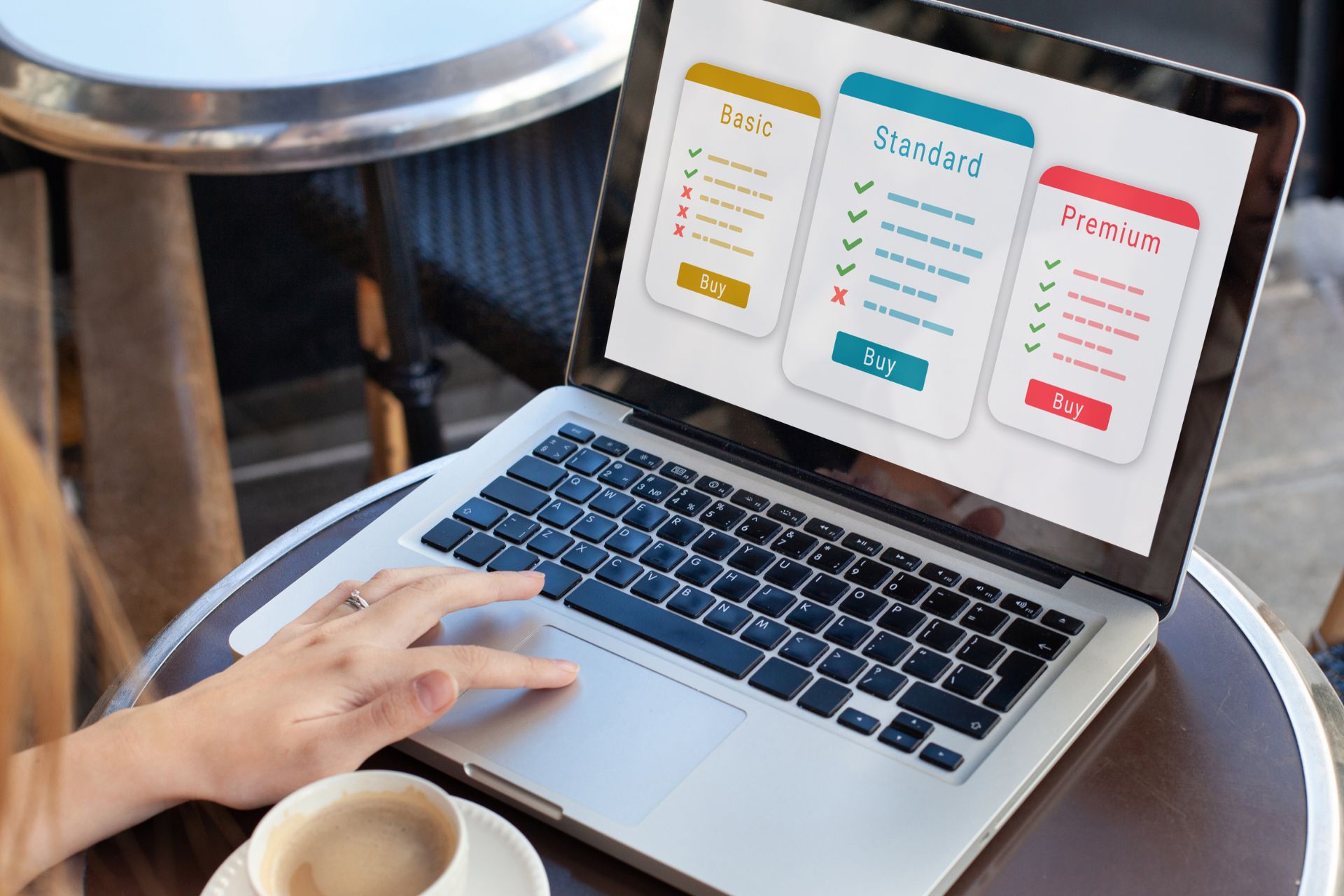
Subscriptions are one of the silent ways you’re wasting money even without knowing. This is because once they are set up, they quietly run in the background.
A free trial turns into a paid plan. An app that once felt useful stops being used. A streaming service goes untouched. Because there is no monthly decision to renew, the money disappears without friction.
Most people only realize the impact when they finally list everything they are subscribed to and see the total.
A simple fix is to schedule a subscription check once or twice a year. Go through your statements and ask one question. “Am I actively using this, and does it still earn its place in my life”? Cancel anything that does not clearly add value. This alone can create immediate financial relief.
4. Eating Out Too often

Eating out usually starts as a good choice. Long days, busy schedules, and low energy make it feel reasonable. Over time, it can quietly become the default, not the exception.
The problem is not restaurants or takeout. It is how quickly the frequency adds up. Even moderately priced meals cost far more than similar food prepared at home, and the difference becomes obvious over a month.
Planning helps more than restriction. Decide ahead of time when eating out fits into your routine. Keep a few easy meals on hand for low-energy days. When eating out becomes intentional instead of automatic, you keep the convenience without losing control of your money.
5. Buying Bottled Water

Buying bottled water might seem small, but it’s one of those little ways you’re wasting money quietly every day.
Over time, this habit turns into a steady expense. Most people already have access to safe drinking water at home or at work. The spending is not about necessity, but about forgetting to plan ahead.
The easiest solution is to make reusable water part of your routine. Choose a bottle you actually like and keep it with you. Once this becomes normal, buying bottled water starts to feel unnecessary, and the savings happen naturally.
6. Not Utilizing Discounts And Loyalty Programs
Skipping discounts often does not feel like wasting money. You pay the listed price and move on. It feels neutral, not careless. But when this happens repeatedly, you end up paying more than necessary for the same things.
This does not mean chasing every deal or buying items you do not need. The goal is awareness at the point of purchase. When you are already planning to buy something, taking a moment to apply a promo code, use cashback, or redeem loyalty points can lower the cost without changing your habits. Over time, these small savings become noticeable.
Spending smarter does not mean spending less. It means letting your money stretch further.
7. Buying Brand-Name Products Instead Of Store Brands

Brand names often feel safer. You recognize them, trust them, and assume the higher price means better quality. For some products, that may be true. For many everyday items, the difference is minimal.
Store brands are often made by the same manufacturers and meet similar standards. When it comes to basics like food staples, cleaning products, and household essentials, paying extra rarely adds real value.
A practical approach is to test them out, not switch everything at once. Try the store brand for one or two items you buy regularly. If you notice no meaningful difference, you have found an easy way to save without changing your lifestyle.
8. Keeping Up With Fashion Trends

Fashion trends change so quickly that it’s hard to keep up, and trying to can really drain your wallet.
Trendy items might feel exciting at first, but they often lose their appeal before long. After just a season or two, a lot of them end up sitting in your closet unworn.
The issue isn’t buying clothes, it’s buying pieces that don’t really earn their place over time. When you shop based on trends instead of fit and how you’ll actually use something, you end up spending more but wearing less.
A better approach is to focus on buying only when you need something and to treat trends as completely optional.
Before you buy something trendy, ask yourself if it goes with what you already own and whether you can picture yourself still wearing it next year. That moment of pause can really cut down on unnecessary spending.
9. Recurrent Small Fees
Small fees are easy to ignore. ATM charges, late fees, service fees, and account maintenance costs often seem insignificant in isolation. Because they are small, many people never question them.
The impact becomes clear once you look closely. These fees quietly add up and can cost far more over time than expected. The good news is that most of them are avoidable with simple adjustments.
Take a close look at your bank and credit card statements and highlight every fee you see. You may be surprised by how many there are. Switching accounts, setting up automatic payments, or using in network ATMs can eliminate many of them entirely.
10. Paying For Convenience Fees
Convenience fees feel justified because they save time or effort. Paying extra for delivery, faster processing, or skipping a task can seem reasonable, especially on busy days.
The issue is how often these fees are paid without thinking. When convenience becomes the default, the extra charges quietly drain your wallet. Because each fee feels small, they rarely trigger concern in the moment.
A better approach is to pause and notice when a fee is optional. Ask yourself if the convenience is worth the cost this time. Sometimes it is. Sometimes it is not. Being selective helps you enjoy convenience without overpaying for it.
11. Expensive Cell Phone Plans Or Frequent Upgrades

Phone plans tend to stay unchanged for years. Many people pay for unlimited data, extra features, or frequent upgrades simply because that is what they have always had.
The first step is to check your actual usage. Look at how much data you use and which features you rely on. In many cases, people discover they are paying for more than they need.
Downgrading your plan or delaying upgrades by even a year can free up a noticeable amount of money. You still stay connected, but you stop overpaying for features that add little value to your daily life.
12. Rent-To-Own Purchases
Rent-to-own plans make expensive items feel affordable by breaking the cost into small payments. When you focus on the weekly or monthly amount, the total price often fades into the background.
The issue is not the payment size. It is how much the item actually costs by the time you finish paying. In many cases, rent-to-own purchases end up costing significantly more than buying the item outright.
Before committing, pause and calculate the full cost. Seeing the total cost often changes the decision.
Saving gradually, buying secondhand, or waiting a little longer usually leads to a better financial outcome without removing the option entirely. These small adjustments can make a big difference over time.
13. Buying Lunch At Work Every Day

Buying lunch at work is a perfect example of those small, everyday ways we waste money. At first, it feels totally reasonable because it saves time, cuts down on planning, and gives you a nice break during a busy day. And since each purchase is small, it doesn’t really set off any alarms.
But when you add it up over a month, the cost gets a lot clearer. Even inexpensive lunches can turn into a pretty big amount. That’s money you could be putting into savings or spending on other things that matter to you.
A simple fix is to plan ahead. Bringing lunch from home a few days a week, or prepping some easy meals in advance, can cut back your spending without giving up convenience completely. It’s more about being intentional, not restrictive.
14. Not Shopping Sales Or Comparing Prices

Buying the first thing you find without checking prices, deals, or alternatives is a habit that quietly drains your money. It’s easy to overlook because it feels like just another small decision in a busy day, but those little missed savings add up faster than you might think.
If you want to break free from habits like this, I actually wrote an article about it called “10 Bad Spending Habits You Need to Break ASAP.” In it, I talk about other common money traps and share some practical ways to fix them.
The solution is pretty straightforward: just slow down for a minute and check your options. Comparing prices online, using coupons, or waiting for a sale doesn’t mean you’re depriving yourself, it just means getting the same thing for less. Over time, those small savings really add up and give you more flexibility with your budget.
Even doing this occasionally can make a noticeable difference. The key is consistency, not perfection. Once you get into the habit of checking your options, you’ll naturally spend smarter without feeling restricted.
Little Ways You’re Wasting Money Every Day – Recap
Most of the habits on this list feel small and harmless. A coffee here, a convenience fee there, or a lunch bought on autopilot. On their own, none of them seems worth worrying about. Together, they quietly reduce your financial breathing room.
The good news is that you do not need to change everything at once. Awareness is the first win. And when you spot even a few of these little ways you’re wasting money, you get to choose which habits are worth keeping and which ones need adjusting.
Start with one or two that stood out to you. Small changes, applied consistently, can free up more money and mental space than you might expect. Over time, these intentional choices make it easier to save, plan, and feel confident about your finances without taking the joy out of everyday life.
Pin this for later!