

A great vacation shouldn’t leave you drowning in debt. Yet, many travelers overspend simply because they don’t know the smartest ways to cut costs without sacrificing comfort or experiences. Traveling on a budget isn’t about being cheap – it’s about being strategic.
The difference between an overpriced trip and an affordable one often comes down to timing, planning, and knowing where to find the best deals. Savvy travelers don’t pay full price for flights, accommodations, or attractions. They know how to save money on vacation by using insider tricks to maximize every dollar, from choosing the right travel dates to leveraging rewards programs and avoiding hidden fees.
This guide breaks down 14 proven and actionable tips to save money on vacation. Whether you’re flying solo, planning a romantic getaway, or taking the whole family along, these battle-tested tips will ensure you get the best experience – without the financial stress.

14 Tips To Save Money On Your Next Vacation
From booking the cheapest flights to choosing the right travel dates and avoiding overpriced tourist traps, there are several money-saving tactics you can use for your next vacation. Here are some practical tips to save money while still having a fantastic experience:
1. Plan And Book In Advance

One of the most effective ways to save money on vacation is to plan. Booking flights, accommodations, and even activities months in advance allows you to lock in the best prices. The earlier you start planning, the more options you have – and the more money you can save.
Airline prices fluctuate frequently, but booking flights around six to eight weeks in advance often yields the best deals. Flight comparison tools like Google Flights, Skyscanner, and Hopper can help track prices and notify you when fares drop.
Similarly, hotels and vacation rentals often offer discounts for early bookings, giving you access to better rates and more choices. Some platforms even provide free cancellations, complimentary breakfast, or other perks for booking in advance.
2. Travel During Off-Peak Seasons

One of the smartest tips to save money on vacation is to travel during off-peak seasons, when prices drop significantly, and crowds are smaller.
Peak travel times, such as summer and major holidays, often mean soaring airfare, expensive hotel rates, and overcrowded tourist attractions. However, by opting for shoulder seasons—the period between peak and low seasons—you can enjoy more affordable prices while still experiencing pleasant weather.
For example, late Spring (April to May) and early Fall (September to October) offer excellent travel conditions without the hefty costs of summer. Instead of dealing with the December holiday rush, planning a trip in late April or early May can help you snag great deals on flights and accommodations.
Similarly, airfares tend to be lower in late February and November, making these months a budget-friendly alternative to peak-season travel. By choosing your travel dates wisely, you not only save money on flights, you also enjoy exploring your desired destinations for a fraction of the cost while avoiding the stress of overcrowded tourist spots.
3. Book Budget-Friendly Accommodations

When looking for tips to save money on vacation, booking budget-friendly accommodations can make a huge difference.
Forget overpriced hotels – there are plenty of affordable, comfortable alternatives that won’t drain your wallet. Vacation rentals (like Airbnb, and Vrbo) are ideal for groups or families, these often provide kitchens, helping you save on food costs.
Hostels & Guesthouses are perfect for solo travelers or backpackers. Many offer private rooms at a fraction of hotel prices.
If you prefer hotels, use booking sites like Hotels.com, Expedia, or Agoda, and consider signing up for loyalty programs to earn free stays or discounts. And if you prefer House-sitting or home swaps, platforms like TrustedHousesitters allow you to stay free in exchange for pet-setting.
4. Get an eSIM
International roaming charges can skyrocket your travel expenses, and buying a local SIM card each time you land can be a hassle. An eSIM is a digital SIM that allows you to activate a local mobile data plan without needing a physical SIM card.
With an eSIM, you do not need to hunt for SIM cards at the airport. It also enables you to stay connected the moment you land, and most times, you enjoy cheaper data plans from local providers instead of expensive roaming.
You can get an eSIM from services like Airalo, Holafly, and Nomad which offer prepaid eSIMs in multiple countries.
5. Set A Vacation Budget

One of the biggest mistakes travelers make is not setting a clear budget before their trip. Without a spending plan, it’s easy to overspend on unnecessary things like overpriced meals, spontaneous shopping, or expensive tours.
To create a vacation budget that keeps your finances in check, determine how much you can comfortably spend without dipping into savings or going into debt. By the way, you should check out our guide on how to budget for a vacation you’ll love for more detailed strategies.
Break down your travel expenses into categories by allocating money to flights, accommodation, food, transportation, activities, and souvenirs. Don’t forget to factor in hidden costs like baggage fees, airport transfers, and foreign transaction fees.
6. Monitor Exchange Rates
If you’re traveling internationally, currency exchange rates can make or break your budget. A bad exchange rate or high transaction fees can quietly drain your funds before you even realize it. By monitoring exchange rates and making informed decisions, you can save money on your trip and avoid hefty fees.
One way to get the best value for your money is by avoiding airport currency exchange booths, as they often have the worst rates and high commission fees. Instead, use a travel-friendly bank or card like Revolut, Wise, Charles Schwab, or other platforms that offer better exchange rates with minimal fees.
Another tip is to withdraw local currency from ATMs because it’s usually cheaper than exchanging cash. However, always choose to be charged in the local currency (not your home currency) to avoid extra fees. You can also use apps to monitor fluctuations so you can exchange money when rates are favorable.
7. Reduce Unnecessary Spending
Vacation expenses can add up quickly if you’re not mindful of your spending, but there are small adjustments that can keep costs under control without compromising your experience.
Bringing your snacks instead of buying overpriced food at the airport is a simple yet effective way to cut costs. Eating before heading to the airport can also help you avoid expensive terminal restaurants. If possible skipping fancy cocktails or specialty drinks at restaurants can further reduce spending, as these often come with hefty markups.
If you want souvenirs, avoiding overpriced gift shops near major tourist attractions and opting for local markets or street vendors can help you find unique, budget-friendly keepsakes.
8. Leverage Credit Rewards

If you’re not using credit card perks for travel, you’re leaving money on the table.
Many travelers save hundreds of dollars by using the right cards for flights, hotels, and even everyday purchases before their trip. Cards like Chase Sapphire Preferred, Capital One Venture, or American Express Platinum offer travel points that can be redeemed for flights, accommodations, and upgrades.
Some cards offer free travel insurance, airport lounge access, and baggage protection. You can leverage travel credit that offers big rewards when you hit a spending threshold in the first few months.
9. Consider Travel Insurance
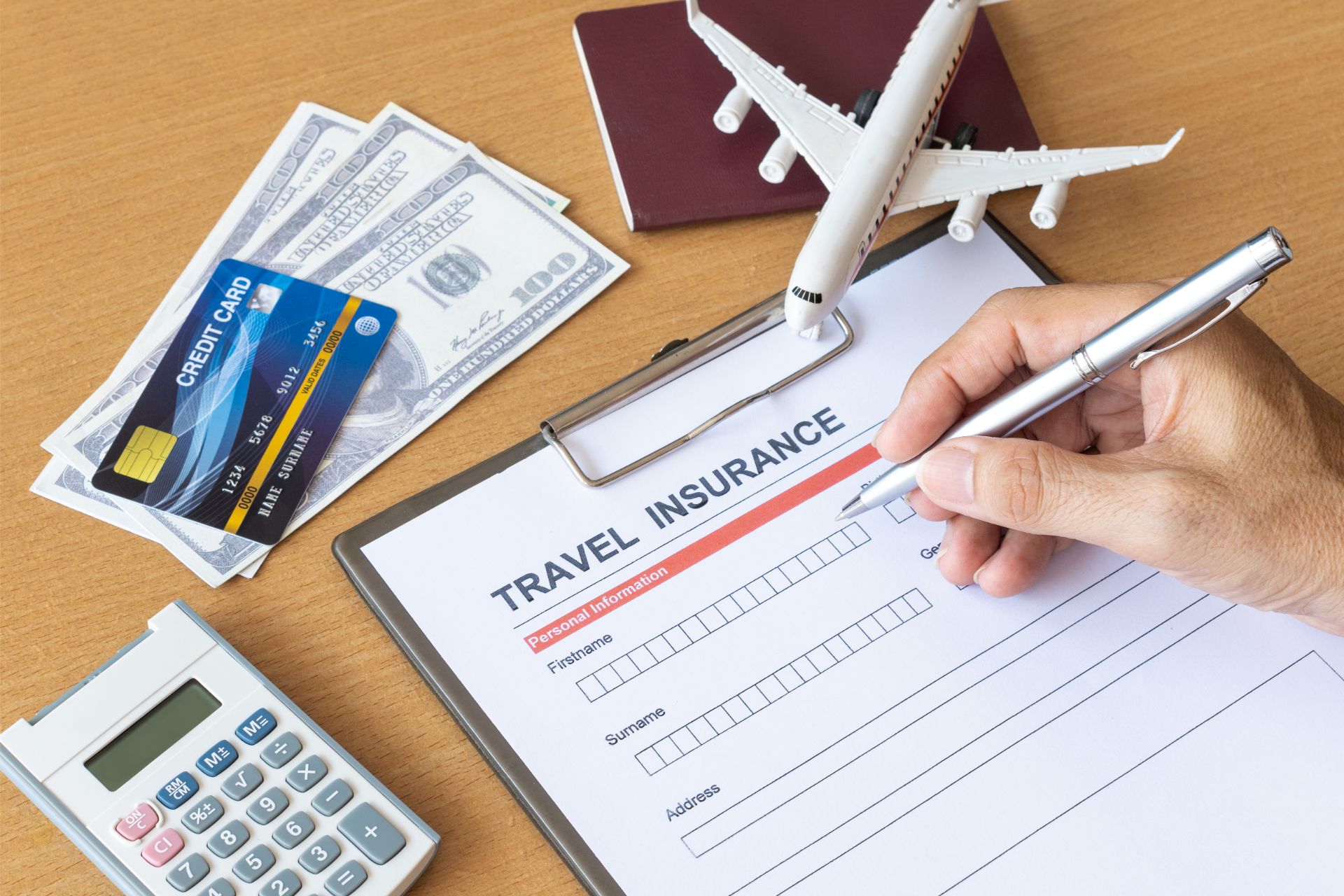
Many travelers skip insurance to save money, only to regret it when unexpected expenses hit. Medical emergencies, trip cancellations, or lost luggage can cost thousands of dollars – far more than the price of a policy.
One reason you need to consider travel insurance is because oftentimes, your regular health insurance may not cover international travel. A good travel insurance plan ensures you get medical care without huge bills.
Additionally, if an emergency forces you to cancel a trip, insurance can reimburse your non-refundable expenses. Some of the best travel insurance providers include World Nomads, Allianz Travel, and SafetyWing.
10. Avoid Tourist Traps
If you’re looking for more ways to save money on vacation, avoiding tourist traps is a smart strategy.
Popular attractions often come with inflated prices—whether for entrance fees, dining, or souvenirs. Restaurants near major landmarks tend to charge more for meals that aren’t always the best quality. Instead of eating in high-traffic areas, explore side streets or local neighborhoods where the food is more affordable (and often tastier).
Similarly, many excursions marketed to tourists are overpriced and can be replaced with local alternatives. Rather than booking expensive guided tours, consider self-guided options or asking locals for recommendations on lesser-known spots.
For shopping, markets and smaller shops usually offer better deals than large tourist stores. By being selective, you can enjoy your destination without overspending.
11. Explore Free Attractions

One of the best ways to enjoy a vacation without breaking the bank is to take advantage of free activities. Many cities offer scenic viewpoints, historical landmarks, stunning parks, and cultural experiences at no cost.
Walking tours, outdoor festivals, and museum-free days provide incredible experiences without adding to your expenses. Instead of spending money on costly entertainment, look for free local events, concerts, or street performances.
Exploring public beaches, hiking trails, and architectural landmarks allows you to immerse yourself in the destination without an extra price tag. With little research, you can discover hidden gems that offer just as much excitement as paid attractions.
12. Limit Souvenir Purchases

While it’s tempting to buy souvenirs at every stop, excessive spending on gifts and memorabilia can quickly cut into your budget.
Many tourist-heavy shops sell mass-produced items at inflated prices, making them poor value for money. Instead of purchasing overpriced trinkets, consider buying locally made products from street markets or independent artisans.
A great way to bring home memories without overspending is to opt for practical souvenirs like local spices, handmade crafts, or unique postcards that capture the essence of your trip.
13. Use Public Transportation

Relying on taxis, rental cars, or ride-hailing apps can quickly drain travel budgets, especially in cities with high transportation costs. One of the most cost-effective ways to save money on vacation is to use public transportation whenever possible.
Many major cities offer affordable metro systems, buses, and trams that are not only budget-friendly but also provide an authentic way to explore local life.
Purchasing daily or weekly transit passes can further reduce costs compared to paying for single rides. Some destinations even offer free shuttle services or bike-sharing programs for tourists.
14. Cook Your Meals

Dining out for every meal can be one of the biggest expenses on vacation. While trying local cuisine is an essential part of the travel experience, you don’t have to eat at restaurants for every meal. Staying in accommodations with a kitchen or kitchenette, such as Airbnb rentals or hotels, allows you to prepare simple meals and reduce food costs.
Cooking your own meals (even just once a day) is one of the effective strategies to save money while on vacation. Even something as simple as making your breakfast, packing snacks for outings, or preparing a picnic instead of eating at an expensive restaurant can lead to significant savings.
For more practical tips on cutting dining costs while on vacation, check out this quick guide on how to save money eating out.
The Bottom Line On How To Save Money On Vacation
Enjoying a vacation doesn’t mean you have to break the bank. Whether you’re a first-time traveler or a seasoned globetrotter, the key is to be intentional with your spending, prioritizing what enhances your trip while cutting out unnecessary costs.
The 14 tips to save money on vacation shared in this guide will help ensure that you can enjoy a stress-free, budget-friendly experience. Remember that by planning, making strategic choices, and avoiding common money traps, you can make your vacations more enjoyable while also sticking to your budget. Start saving now!
Pin this for later!