

We all want financial security, but sometimes, our habits and decisions can unknowingly sabotage our financial future. Whether we splurge on unnecessary purchases or neglect essential savings, small mistakes can add up over time, leading to stress and financial setbacks.
The truth is, that even one bad financial decision can have long-lasting consequences. That’s why it’s crucial to recognize and avoid the most common money mistakes.
In this blog post, I’ll cover a list of things you should never do with your money so you can protect your financial future. From living beyond your means to investing without proper knowledge, we’ll break down the missteps that could hold you back from financial freedom. Knowing what to avoid is just as important as knowing what to do.
If you’re ready to take control of your finances and avoid costly mistakes, keep reading.

16 Things You Should Never Do With Your Money
To help you avoid common pitfalls and take control of your finances, here are 16 things you should never do with your money, because knowing these can save you from serious setbacks:
1. Live Beyond Your Means

One of the most important things you should never do with your money is spend more than you earn.
Living beyond your means often starts subtly, like regularly using credit cards to cover daily expenses or buying luxury items on impulse. While it may feel good in the short term, this habit quickly leads to mounting debt, high-interest payments, and financial stress.
Over time, the pressure of trying to maintain an unsustainable lifestyle can cause serious damage to your credit score and your ability to save for important goals like buying a home or retirement.
Living within your means doesn’t mean you have to give up enjoying life; it simply means being intentional about your spending and budgeting wisely.
Track your income and expenses carefully, prioritize needs over wants, and build a lifestyle that your current financial situation can support. By doing so, you create a buffer for emergencies and opportunities, rather than constantly chasing after money to cover overspending.
Remember, financial freedom begins with discipline, not extravagance.
2. Ignore Emergency Savings
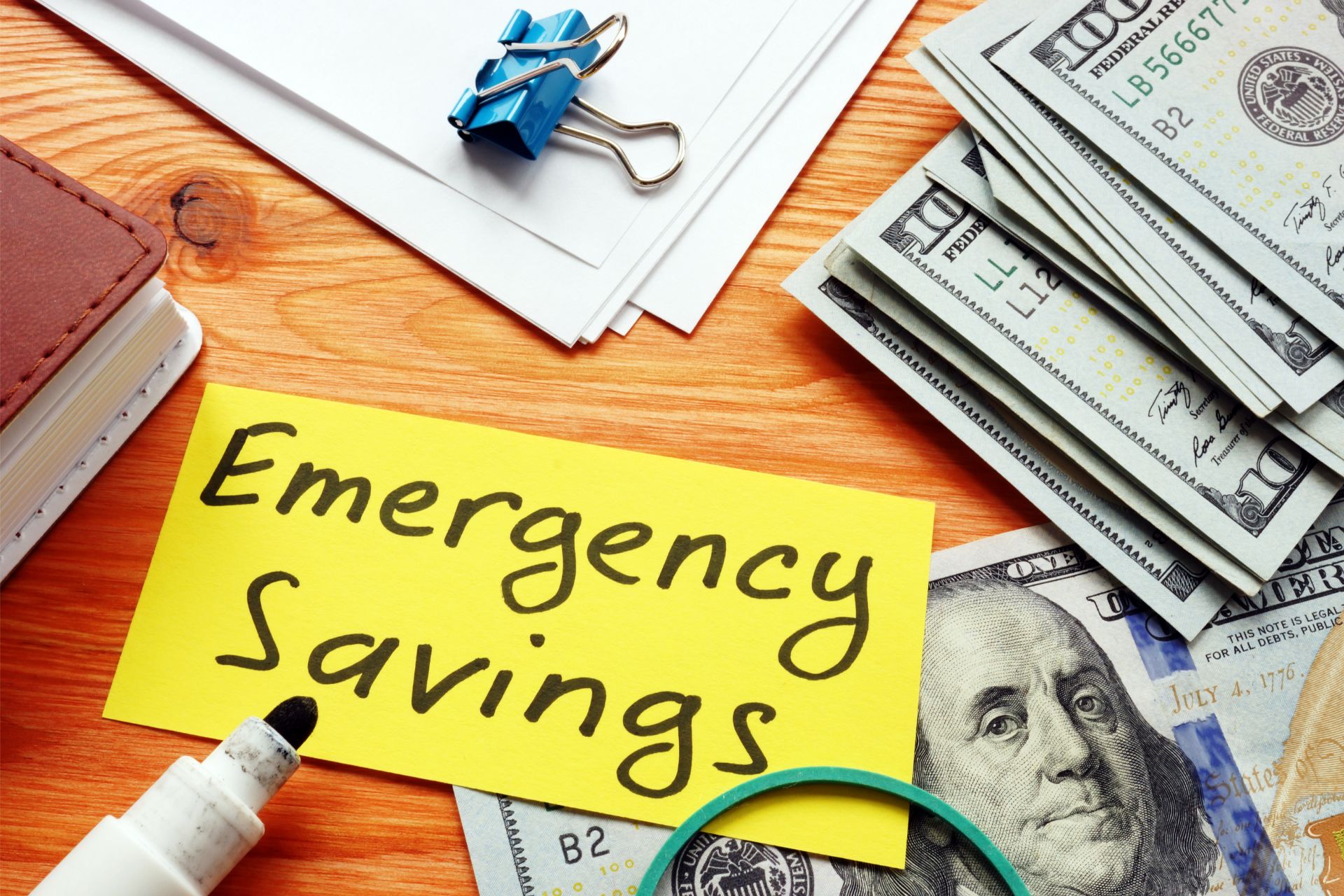
Unexpected expenses like medical bills, car repairs, or job loss can happen to anyone at any time. Ignoring emergency savings is among the critical things you should never do with your money.
Not building an emergency fund puts you at significant financial risk, forcing you to rely on high-interest debt like payday loans or credit cards when a crisis hits. Without a safety net, even a minor setback can spiral into a full-blown financial emergency that affects every aspect of your life.
Establishing an emergency fund should be one of your top financial priorities. Ideally, you want to save at least three to six months’ worth of living expenses in a separate, easily accessible account. This fund provides peace of mind and a financial cushion, allowing you to navigate unexpected events without derailing your long-term goals.
Even if it takes time to build, starting small and contributing regularly will eventually secure your financial resilience.
3. Co-Signs Loans Without Caution

Co-signing a loan might feel like a generous gesture to help a family member or friend, but it can be a dangerous financial move if you’re not careful.
When you co-sign, you’re legally agreeing to take responsibility for the debt if the primary borrower defaults. This means if the borrower misses payments, your credit score could take a hit, and you could be forced to pay off the loan yourself, often without warning.
Before co-signing, evaluate your relationship with the borrower honestly and assess your financial ability to cover the debt if necessary. It’s also wise to have a clear agreement on repayment terms and communicate openly about expectations.
If you have any doubts, it’s better to say no or find alternative ways to support your loved one. Protecting your financial health should always come first.
4. Make Emotional Purchases

Money decisions driven by emotion, whether it’s stress, excitement, or peer pressure, often lead to regret and financial strain.
Emotional spending happens when you buy things you don’t need just to feel better, impress others, or cope with negative feelings. This behavior can quickly derail your budget, build unnecessary clutter, and prevent you from saving for more important goals.
To avoid emotional purchases, practice mindfulness in your spending habits. Pause before making any non-essential purchase and ask yourself if it aligns with your financial priorities.
Creating a budget that includes occasional “fun money” can also help satisfy cravings without guilt. Remember, building financial stability is about long-term thinking, not short-lived gratification.
5. Neglect Retirement Planning

Many people don’t consider planning for retirement because it feels too far off or overwhelming. However, this is one of the costly things you should never do with your money. It is one mistake that limits your options and quality of life later on.
Without consistent contributions to a retirement account, you miss out on the power of compound interest, where your money grows exponentially over time. Starting late means you’ll have to save much more aggressively to catch up, which can be stressful and difficult.
Retirement planning isn’t just about setting money aside; it’s about envisioning the lifestyle you want decades from now and taking steps to achieve it.
Whether it’s contributing to a workplace pension, opening an IRA, or investing in mutual funds, every little bit helps. Even small, regular contributions add up, and reviewing your plan annually ensures you stay on track.
The earlier you start, the more secure and comfortable your retirement will be.
6. Fall For “Too Good To Be True” Deals
When a deal sounds too good to be true, it probably is.
Sc#ms, shady investments, and unrealistic offers prey on people’s desire to get rich quickly or save big. Falling for these can lead to serious financial losses or identity theft.
Common examples include pyramid schemes, “guaranteed” high-return investments, and ph#shing emails promising free money. Once you’re caught, it’s often hard to recover what you’ve lost.
Protect yourself by doing thorough research before committing any money. Check for reviews, verify credentials, and consult trusted financial advisors if needed.
Remember, legitimate investments and savings opportunities carry risks and don’t promise overnight riches. Being cautious and skeptical of flashy offers is key to keeping your money safe and growing steadily over time.
7. Rely Solely On Credit Cards

Credit cards are a convenient financial tool, but relying on them as your primary source of funds is a slippery slope.
Using credit cards for everyday expenses without paying the balance in full each month can lead to high-interest charges that quickly accumulate. Over time, credit card debt can spiral out of control, reducing your creditworthiness and eating away at your future financial flexibility.
Instead of leaning on credit cards, build a good habit of spending within your means using cash or debit cards and paying off credit card balances monthly. If you use credit cards for rewards or convenience, treat them like a tool for budgeting, not a source of borrowed money.
Managing credit responsibly improves your credit score and keeps your financial options open for major life events like buying a home or starting a business.
8. Skip Financial Education
Financial literacy is one of the most important skills you can develop, yet many people overlook educating themselves about money management.
Skipping financial education leaves you vulnerable to costly mistakes, poor investment choices, and missed opportunities to grow your wealth. Without understanding key concepts like budgeting, interest rates, inflation, and taxes, it’s hard to make informed decisions that align with your goals.
Investing time in learning about personal finance pays off significantly. Whether through books, podcasts, online courses, or workshops, increasing your financial knowledge empowers you to take control of your money with confidence.
Education also helps you recognize bad financial advice and sc#ms, ultimately giving you the tools to build a stable and prosperous financial future.
9. Overlook Insurance Needs

Insurance often feels like an unnecessary expense; something you hope to never use. However, overlooking your insurance needs can lead to devastating financial consequences if unexpected events strike.
Whether it’s health, life, auto, home, or disability insurance, having adequate coverage protects you from potentially crippling costs. Without it, a single accident, illness, or disaster could drain your savings and push you into debt.
Assess your insurance needs regularly to ensure your coverage matches your current lifestyle and responsibilities. For example, if you have dependents, life insurance becomes crucial to protect your financial future. Health insurance safeguards against medical bills, which can be a huge burden without coverage.
Proper insurance planning acts as a safety net, giving you peace of mind and financial security when life throws curveballs.
10. Spend To Impress Others

Spending money to impress others, like friends, family, or social media followers, is a trap that many fall into without realizing it.
Buying expensive gadgets, designer clothes, or luxury items beyond your budget creates a false sense of status but often leads to stress and financial strain. This kind of spending leaves you vulnerable to debt and missed savings goals. It is one of the things you should never do with your money.
True financial health is about aligning your spending with your values and long-term goals, not trying to keep up with others. Practicing mindful spending means making intentional choices that benefit you, not feeding into societal pressure or FOMO (fear of missing out).
Building confidence in your financial decisions comes from knowing your worth and isn’t defined by material possessions.
11. Delay Investing
Putting off investing because you think it’s too complicated, risky, or something “people with more money do” is a common but costly mistake.
The truth is, investing early, even with small amounts, can significantly boost your wealth over time; thanks to compound growth. Delaying investing means missing out on years of potential earnings that can accelerate your path to financial independence.
Start by educating yourself on basic investment options like index funds, ETFs, or retirement accounts. Many platforms today make investing accessible and affordable for beginners. The key is consistency and patience; investing regularly over time, even if amounts are small, can create a powerful momentum that grows your money steadily. Waiting only limits your potential returns.
12. Put All Eggs In One Basket
Concentrating all your money on one investment, asset, or financial product might feel like an easy strategy, but it’s one of the riskiest things you should not do with your money.
Market fluctuations, business failures, or economic downturns can wipe out your entire investment if you lack diversification. Spreading your money across different asset classes (stocks, bonds, real estate, cash) and sectors helps protect your portfolio from volatility and losses.
Diversification doesn’t mean you have to be an expert; it’s about managing risk intelligently. Think of it like not relying on a single income source. By balancing your investments, you reduce the impact of one poor-performing asset on your overall financial health.
This strategy improves your chances of steady growth and reduces anxiety when markets are turbulent.
13. Neglect Credit Reports

Your credit report is one of the most important tools lenders and financial institutions use to assess your creditworthiness. Neglecting to check your credit report regularly can allow errors, fraud#lent activities, or outdated information to go unnoticed, which could hurt your credit score and affect your ability to get loans, mortgages, or even rent an apartment. It’s essential to review your credit report at least once a year to ensure accuracy.
Monitoring your credit also helps you understand how your financial habits impact your score, giving you the chance to correct negative behaviors. If you spot inaccuracies, you can dispute them promptly, preventing unnecessary damage.
A healthy credit report opens doors to better interest rates and more financial opportunities, so staying on top of it should be a key part of your money management routine. I have written a guide on 10 fast tips to improve your credit score. This will help you build a healthy score.
14. Ignore Debt Repayment

Ignoring debt or only making minimum payments can cause your financial situation to worsen over time.
High-interest debts, like credit card balances, can quickly accumulate, making it harder to pay off the principal amount. This not only prolongs your debt but also increases the total interest paid, draining resources that could be better invested or saved.
Creating a clear debt repayment plan, whether using the snowball method (paying the smallest debts first) or the avalanche method (tackling the highest interest rates first), helps you stay organized and motivated.
Prioritizing debt repayment frees up cash flow, reduces financial stress, and improves your credit score. Avoiding the problem only delays relief and magnifies the financial burden.
15. Avoid Budgeting

Many people shy away from budgeting because they think it’s restrictive or complicated. However, avoiding a budget means you lose control over your money, making it easier to overspend and harder to achieve financial goals.
A well-planned budget gives you a clear picture of your income versus expenses, helping you make smarter decisions and prioritize savings.
Budgeting doesn’t have to be complex; it can be as simple as tracking your monthly spending and setting limits for different categories. When you know exactly where your money goes, you can identify wasteful habits and redirect funds to things that matter, like paying off debt, investing, or building an emergency fund.
A budget is your financial roadmap, guiding you toward stability and growth.
16. Invest Without Understanding
Investing without understanding the basics is like sailing without a compass; you might get somewhere, but it’s risky and uncertain.
Jumping into investments without proper knowledge can lead to costly mistakes, sc#ms, or losses. It’s crucial to learn about different investment vehicles, risks, fees, and how they fit your financial goals before committing your money.
Take the time to educate yourself through books, reputable websites, or financial advisors. Understanding the fundamentals helps you make informed choices, avoid hype-driven decisions, and tailor your investments to your risk tolerance and timeline.
Knowledge empowers you to grow your wealth confidently and avoid pitfalls that can derail your financial progress.
Things You Should Not Do With Your Money – Recap
Managing your money wisely is essential for building a secure financial future. Throughout this article, we’ve explored 16 common mistakes that can derail your progress, like living beyond your means, neglecting emergency savings, making emotional purchases, or investing without understanding. Avoiding these pitfalls is not about perfection but about making smarter, intentional choices that protect your finances.
If you’re curious about what financial mistakes to watch out for, check out this guide on 9 worst financial decisions you’ll regret later.
Now that you know what not to do with your money, by staying disciplined, educating yourself, and planning, you’ll gain control over your money instead of letting it control you. Remember, financial freedom doesn’t happen overnight, but with consistent effort to avoid these costly errors, you’ll be well on your way to achieving your goals and enjoying lasting peace of mind.
Pin this for later!
