

When it comes to managing your finances, debt remains one of the key aspects that require your attention. This is because other areas of your financial situation, especially your credit history, could be impacted by your debt balances.
So just like millions of Americans, you’re probably trying so hard to be debt-free right now. That’s commendable! However, bear in mind that there are certain things you should do before paying off debt.
At the time I completed college, I was bent on paying off my student loans without delay. Then I found a personal finance book that spotlights the importance of choosing the right repayment strategy before paying down one’s balances. This was a crucial piece of information I was oblivious to. Learning about it pointed out the right method for me to achieve a debt-free life.
Having the zeal to become debt-free is important, but learning the essential steps to take before paying off debt is even more vital.

15 Things You Should Do Before Paying Off Debt
Do you want to avoid mistakes on your journey to becoming debt-free? Here are some important things you must know before you go ahead to pay down those balances:
1. Check Your Savings

One of the common financial mistakes people make is committing all their surplus cash to repay debt without first ensuring that they can afford to make that obligation. To understand this better, here are some questions for you:
- Do you currently have a safety net to protect your finances?
- Is your emergency fund sufficient to cover unforeseen expenses, such as medical bills?
- Do you regularly contribute money to your savings account?
If your answer to the above questions is yes, then it’s safe to say you are ready to pay off your debt.
It’s very important to spend some of your discretionary income to increase your cushion if you don’t have enough money to cover at least a few months’ worth of living expenses.
Also, you might want to consider other savings goals like your retirement fund, down payment for a house, or college fund for your kids. Except the interest rate on your debts is accruing fast, it may be better to concentrate on increasing your savings before you begin the repayment.
2. Check If You’re Paying Or Earning More Interest
Interest is typically charged on loans and credit lines. You’ll pay more interest if you spend a long time clearing those balances. This is one of the reasons why many people are motivated to pay off their debt quickly.
However, bear in mind that interest can be favorable sometimes — when you aren’t owing anyone.
For example, interest is paid on the funds in your bank accounts and investment products such as Certificates of Deposit. The more money you keep in a savings or investment account, the more interest you earn. So, when it’s time to pay off debt, compare the interest rate with what you earn from your savings accounts. If the interest rate is low, it’ll be wise to pay only the minimum — so you can have some money left to contribute to your savings.
3. Determine Your Type Of Debt
When was the last time you heard the terms “good” and “bad” debt? This is something that should be discussed often because truly, debt is not always bad.
Contrary to popular belief, you can have debt and still thrive financially — build a good credit history and achieve your life goals.
Here’s the thing; debt with a low fixed interest rate, like a mortgage or auto loan, is usually better than debt with a high adjustable interest rate, like a credit card debt.
What sort of debt do you currently have? You may have a combination of debts, including credit card balances, student loans, and auto loans. It’s your responsibility to choose how to prioritize your payments across these various balances.
Learn about your current debt situation, how long you can carry a balance, and the interest rate on each loan.
4. Keep Your Financial Goals In Mind

This is one of the things to prioritize before eliminating debt. You must remember that paying off debt isn’t the only essential goal you’re pursuing.
Do you regularly think about other long-lasting financial goals you want to achieve? Perhaps you’d like to get a new car or give birth to more kids. Perhaps you want to put more money down for retirement or save up to take care of your elderly parents.
Being able to accomplish financial goals like the examples above will help you live a more fulfilled life. So, don’t forget to determine your values and goals even though you’re focused on paying off debt sooner.
5. Cut Down On Your Expenses

Paying more than the minimum balance is one of the best pieces of advice you can ever get when trying to be debt-free. This will significantly help you pay off your debt on time.
However, how can you make this obligation if you don’t have enough money sitting in your account? This is where reducing your spending becomes a very instrumental strategy. Find numerous ways to cut down on your living costs to save some extra cash.
It is easier to achieve this if you are used to budgeting your income every month. All you have to do is examine the different spending categories in your budgeting and identify where you can cut back a little. This could also mean that you temporarily adopt a frugal lifestyle even if it’s not convenient.
6. Increase Your Income

Aside from reducing your spending, another obvious way to pay more than the minimum is to increase your income. This is one of the key things you should do before paying off debt.
Yes, you already have a job. That’s great! But the moment you realize that your paycheck won’t cover all your bills and monthly debt payments, you must act fast! Find creative ways to generate extra cash weekly or at the end of every month.
If you think working two jobs isn’t a great idea, maybe what you need is a side business — especially one you can run online. With more money coming into your bank account, you’ll have the opportunity to not only pay down your debt balances but also focus on your savings goals.
7. Create A Budget

Budgeting! If you haven’t ticked this off your checklist, you are missing something vital.
Building a budget will enable you to track your income and expenses every month. It shows you where your money goes and makes it easier to stay accountable. For example, if you’re struggling with bad spending habits, a working budget can help you make smarter choices.
So, how does this impact your debt situation? It’s simple; by keeping your spending under control with a budget, you’ll be able to stick to a repayment plan. Splurging money unnecessarily makes it very difficult to pay down your debt every month.
8. Build An Emergency Fund

If you don’t want to stop your debt repayment journey halfway, this is one of the important things to do.
Unforeseen expenses tend to occur when we least expect them. If you aren’t prepared for these costs, they could have a drastic impact on your finances.
Aim to save 3-6 months’ worth of living expenses. This acts as a safety net for unexpected events and prevents you from using credit cards in emergencies.
By the way, if you’d like to learn more about preparing for emergencies, here’s a post that discusses 7 steps to build an emergency fund.
9. Consider Your Credit Score
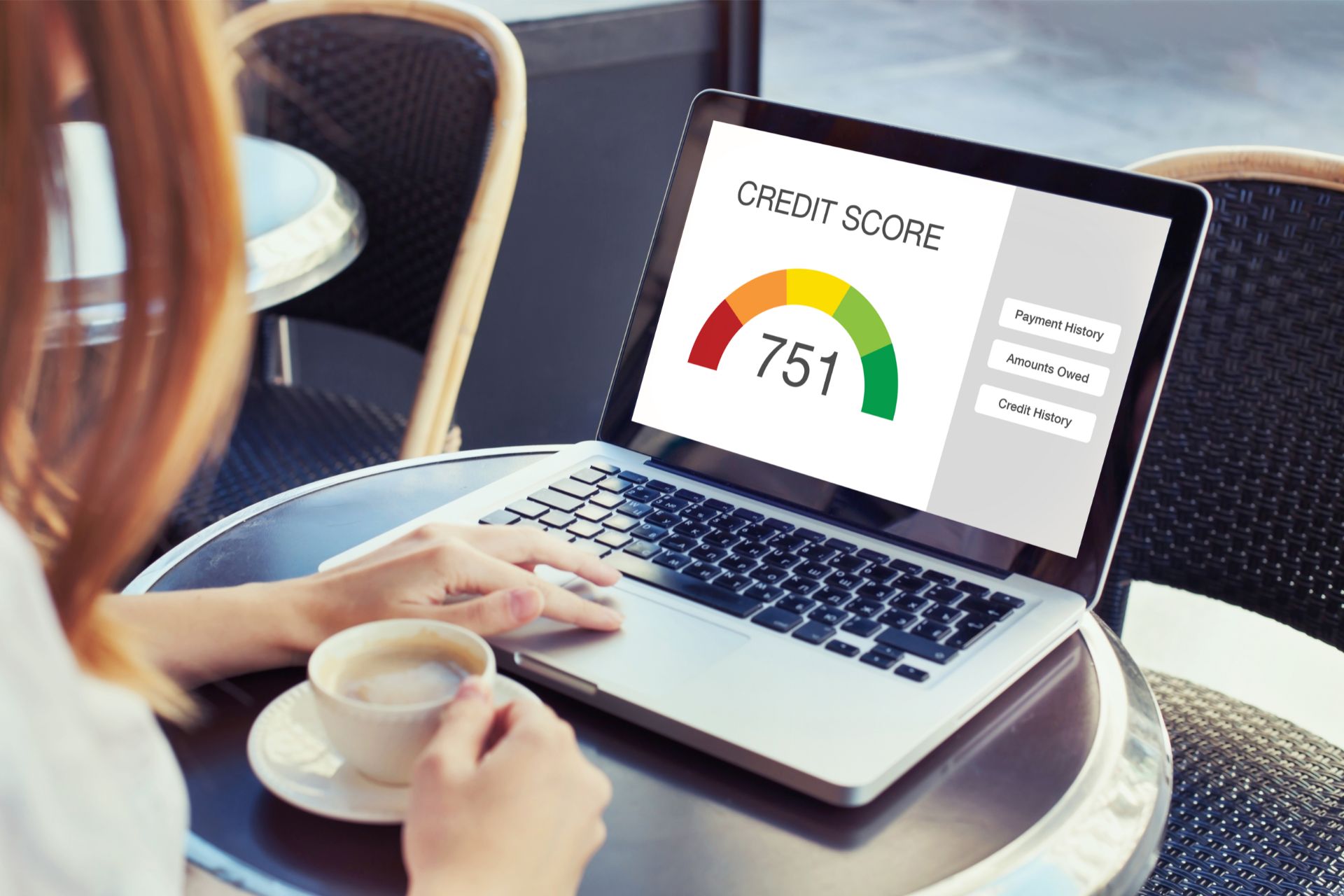
It’s impossible to overlook the direct relationship between your debt and your credit score. Typically, your credit history is a reflection of how you handle debts. So when you have a bad score, it’s very difficult to find loan offers in the future.
Check your credit report for errors and ensure it carries accurate information. Bear in mind that fixing errors can improve your credit score, potentially allowing you to qualify for lower interest rates on loans.
On your checklist of things to do before paying off debt, treat this as a priority.
10. Plan A Repayment Strategy

Choosing a debt payoff strategy is vital if you want to become debt-free on time. There are two main methods I recommend; the debt snowball and the avalanche method.
The debt snowball method is a straightforward strategy that entails paying off the smallest debts first before you move to the next bigger balance. It’s also about getting your first quick win and using it as a motivation to stay consistent until you pay off all your debts.
The debt avalanche method, on the other hand, prioritizes paying off highest-interest debts to save money on interest in the long run. Mind you, the balance with the highest interest rate might not actually be the biggest debt. But paying it first means you can prevent the huge interest from increasing.
Whatever method you choose to employ, ensure it suits your financial situation and motivates you to fulfill your obligations every month.
11. Negotiate With Creditors
Sometimes, this is one of the things you should do before paying off debt. Your creditors may be gracious enough to allow you to negotiate favorable interest rates or an extension of the timeline that you have to pay off the loan.
However, you can’t make this appeal alone. You need the assistance of a trustworthy debt relief company that will negotiate on your behalf.
Using this approach, you bargain with lenders to agree to pay down a portion of your debt in exchange for a reduction in the total amount you owe.
Mind you, using debt settlement as a solution has one disadvantage — a long-term negative impact on your credit score.
12. Automate Payments
Missing debt payments can have costly consequences. Firstly, your creditor will charge you extra fees or increase your interest for paying late. Also, this will reflect badly on your credit score. Future creditors will look at your credit history and tell if you can make timely payments or not.
Notwithstanding, you can totally avoid this mistake by setting up automatic payments to ensure consistent progress. You don’t have to worry about paying manually.
13. Stop Using Credit Cards

Using credit cards when trying to be debt-free is not a wise decision. This is because you’re simply taking on new debt despite your outstanding balances.
Although it may be difficult, ditch all the credit cards. If you need something, try to save up for it instead or take from your emergency fund — when it’s an unforeseen expense. It’s about staying disciplined while striving for financial freedom. This is one of the major things you should consider before paying off debt.
14. Be Willing To Ask For Help
Sometimes, it’s best to seek professional assistance. Having a meeting with a financial advisor or credit counselor might help you better grasp all of your debt relief choices. These experts will study your financial situation and decide the best tactics to deal with your debt problem.
A credit counselor could also be of assistance when you have meetings with your creditors. Making this decision is one of the crucial things you should do before paying off debt.
15. Consider Debt Consolidation
For most people, this is the last resort. If you have previously tried to pay off debt and failed, then maybe what you need is debt consolidation.
This is a repayment method that involves combining multiple high-interest debts into a single loan with a lower interest rate. It helps to simplify your payments and will also save you some money since the interest is reduced.
Mind you, this isn’t just one of the regular things you should do before paying off debt. It’s ideal to consider debt consolidation only if your situation requires it.
Final Words: Things To Do Before Paying Off Debt
Taking control of your debt isn’t just about the numbers; it’s about unlocking financial freedom and peace of mind.
By eliminating debt, you’ll save money on interest payments, improve your credit score, and open doors to new opportunities. With less financial stress, you can focus on your goals, invest in your future, and live a more fulfilling life.
However, always remember that things you should do before paying off debt are as important as what you do during the repayment process. It’s like laying down the right foundation before building a house.
Pin this for later!
