
You’ve tried budgeting. You’ve tracked your expenses. Yet somehow, your money keeps slipping through the gaps. Sound familiar? You’re not alone. Many people think they’re managing their finances wisely, only to discover that small, unnoticed habits are quietly wrecking their budget.
The good news? Fixing these mistakes doesn’t mean extreme penny-pinching or giving up everything you enjoy. Most of the time, it’s about making a few thoughtful adjustments—ones that can save you hundreds (or even thousands) over time.
In this blog post, we’ll uncover 13 uncommon ways you might be sabotaging your budget without even realizing it. More importantly, I’ll show you how to stop these money leaks and take back control of your finances—without feeling like you’re constantly depriving yourself.

13 Ways You’re Ruining Your Budget Without Realizing It
Before we dive into the ways you’re ruining your budget without realizing it, it is important to recognize how small habits can unknowingly drain your finances. Whether it’s a tiny impulse buy or ignoring the larger picture of your spending, these seemingly insignificant actions can accumulate, leaving you with less money than you planned.
Here are some ways you’re quietly sabotaging your budget – and how to fix them:
1. Grocery Shopping Without A Plan

This is one of the most common ways you’re ruining your budget without realizing it. It’s easy to think that picking up a few extra items at the store won’t affect your finances, but without a plan, it’s an easy way to overspend.
That’s money you could have saved. The best way to avoid grocery shopping without a plan is to make a list and stick to it. Set a budget before you shop and track your total spending as you go. Also, never shop hungry – hunger makes everything look good.
2. Ignoring Small Purchases That Add Up
It’s easy to dismiss small purchases as “no big deal”. A $5 coffee here, a $10 app subscription there, a few impulse buys at checkout – individually, they seem harmless. But over time, these little expenses silently drain your wallet. What feels like pocket change in the moment can add up to hundreds, even thousands, over a year.
The key is awareness. Start by tracking every expense—yes, even that $2 candy bar. You could use a budgeting app or review your bank statements to identify patterns in your spending. Once you see where your money is going, set limits on non-essential purchases.
Cut back on frequent low-cost splurges and replace them with budget-friendly alternatives, like making coffee at home. You could also adopt the 48-hour rule for impulse purchases.
3. Paying The Minimum On Credit Cards

One of the most dangerous ways you’re ruining your budget without realizing it is by only paying the minimum on your credit cards. It may seem manageable now, but the interest charges add up over time, making it harder to get out of debt.
Credit card companies thrive on interest, and by paying just the minimum, you’re letting them charge you more over time. A balance of a few thousand dollars can take years to pay off, costing you hundreds or even thousands in extra interest. Even worse, carrying a high balance relative to your credit limit can hurt your credit score, making future borrowing more expensive.
The best way to break free from this cycle is to pay more than the minimum whenever possible. Even an extra $20 or $50 per month can significantly reduce the amount of interest you pay and help you get out of debt faster.
Prioritize your high-interest credit cards first, and if possible, look into balance transfer options that offer low interest rates. Avoid using your card for new purchases unless you can pay them off in full each month, especially while you’re working on paying down your balance.
By tackling your credit card debt proactively, you’ll save money, improve your financial health, and gain peace of mind.
4. Forgetting About Auto-Renewals
Subscription services make life convenient, but they also make it easy to waste money, especially when you forget about them.
That gym membership you never use, the streaming service you barely watch, or that free trial that quietly turned into a paid plan? They’re all silently draining your bank account month after month. Since auto-renewals happen in the background, these charges often go unnoticed, slowly eating away at your budget without you realizing it.
Start by reviewing your bank statements for recurring charges and cancel anything you no longer use or need. Set reminders to review your subscriptions every few months, and if you sign up for a free trial, immediately set a calendar alert to cancel before it renews.
If a service is useful but not essential, consider pausing or sharing it with family to split the cost. For subscriptions you want to keep, check for discounted annual plans – many services offer lower rates when you pay upfront.
By staying proactive, you’ll prevent unnecessary charges and keep more of your money where it belongs.
5. Not Being Willing To Negotiate

If you’re not negotiating, you’re probably overpaying. Whether it’s your cable bill, insurance rates, rent, or even medical expenses, many companies expect customers to negotiate – but most people don’t. Instead, they accept price increases without question, leaving hundreds or even thousands of dollars on the table every year. Businesses won’t offer you a discount unless you ask, and that hesitation could be quietly draining your budget.
Get comfortable asking for better deals. Call your service providers and request a discount, promotional rate, or a price match – you’d be surprised how often they say YES. If you’ve been a loyal customer, use that as leverage. For things like rent, medical bills, or big purchases, do your research, compare prices, and be prepared to walk away if necessary.
6. Forgetting To Compare Prices

Every time you buy something without checking for a better deal, you’re potentially spending more than you need to. Whether it’s groceries, electronics, insurance, or even utility plans, failing to compare prices means you might be paying significantly more for the same product or service. Retailers and service providers count on convenience – if you grab the first option you see, they win, and your budget loses.
Before making a purchase, take a few extra minutes to shop around. Even a simple Google search can help you check if you’re getting the best deal. For recurring expenses like insurance or internet service, compare rates at least once a year and be willing to switch providers if it means saving money. Also, don’t forget to check for coupons, cashback offers, or price-match guarantees.
7. Overlooking A Fun Category
Cutting out all fun spending might seem a smart way to save money, but in reality, it can backfire.
When your budget is too strict and doesn’t allow for entertainment, dining out, or small personal treats, it becomes unsustainable. Over time, this can lead to frustration, burnout, and impulsive splurges that completely throw your budget off track. Without a designated fun category, you’re more likely to feel deprived and overspend in ways that undo your financial progress.
Instead of eliminating fun spending, budget for it. Check out this article to discover 41 fun free things to do that don’t cost money. Moreover, set aside a reasonable amount each month for things you enjoy, whether it’s a movie night, a coffee run, or a hobby. This way, you can indulge guilt-free without derailing your financial goals.
Be intentional – prioritize experiences or purchases that bring real value to your life, and look for affordable alternatives when possible.
8. Underestimating Irregular Expenses

It’s easy to plan for your regular bills – rent, groceries, utilities – but what about the expenses that don’t happen every month? Things like car repairs, annual insurance premiums, holiday gifts, or medical bills often catch people off guard, forcing them to dip into savings or rely on credit cards. When these irregular costs aren’t factored into your budget, they can derail your finances and make it feel like you’re constantly playing catch-up.
The best way to avoid surprise expenses is to plan for them in advance. Review past spending and list out predictable, non-monthly costs – like back-to-school shopping, vet visits, or memberships that renew annually. Then, divide those expenses by 12 and set aside a small amount each month in a separate sinking fund. That way, when the expense comes up, you’re prepared.
A little foresight can save you from financial stress and keep you back on track year-round.
9. Treating Windfalls As Free Money
It’s exciting to receive unexpected money – a work bonus, tax refund, inheritance, or even a surprise gift. But if your first instinct is to spend it all without a plan, you’re missing a major opportunity to strengthen your financial future.
Many people see windfalls as “extra” cash and splurge on things they wouldn’t normally buy. While treating yourself isn’t necessarily bad, failing to use at least part of it wisely can leave you in the same financial position you were in before.
Instead of spending windfalls impulsively, put them to work. A good rule of thumb is the 50/30/20 approach – allocate 50% toward financial goals (like paying off debt or saving), 30% for personal enjoyment, and 20% for future security (like investing or an emergency fund). If you’re not sure where to start, prioritize high-interest debt or pad your savings before indulging in a treat.
10. Not Being Able To Avoid Impulse Buying

Impulse buys are one of the top ways you’re sabotaging your budget without realizing it. Even small, unplanned purchases can quickly add up and leave your finances in disarray. Over time, these impulse buys can wreck your financial goals, leaving you wondering where all your money went.
The key to avoiding impulse spending is creating a barrier between you and the purchase. Use the “48-hour rule” – if you see something you want, wait two days before buying. More often than not, the urge will pass.
Unsubscribe from retail emails and avoid browsing shopping apps for entertainment. When shopping in person, make a list and stick to it, and when online, remove saved payment details to make checkout less convenient.
Setting a monthly “fun spending” limit also helps – when you give yourself a budget for non-essential items, you can enjoy small treats without derailing your finances.
11. Ignoring Retirement Savings

Retirement might seem far off, but neglecting to save for retirement is one of the most critical ways you’re ruining your budget without realizing it.
The earlier you start saving, the more you benefit from compound interest. Delaying retirement savings can set you back financially, making it harder to achieve long-term financial stability. The good news is you can start where you are. I have written an article that shows you how to save for retirement at any age.
The quickest way to get out of this is to start saving now, even if it’s a small amount. If your employer offers a 401(k) with matching contributions, take full advantage – it’s free money. If not, consider opening an IRA or Roth IRA and setting up automatic contributions. The key is consistency – even $50 a month can grow significantly over time. As your income increases, gradually boost your contributions.
12. Not Having An Emergency Fund
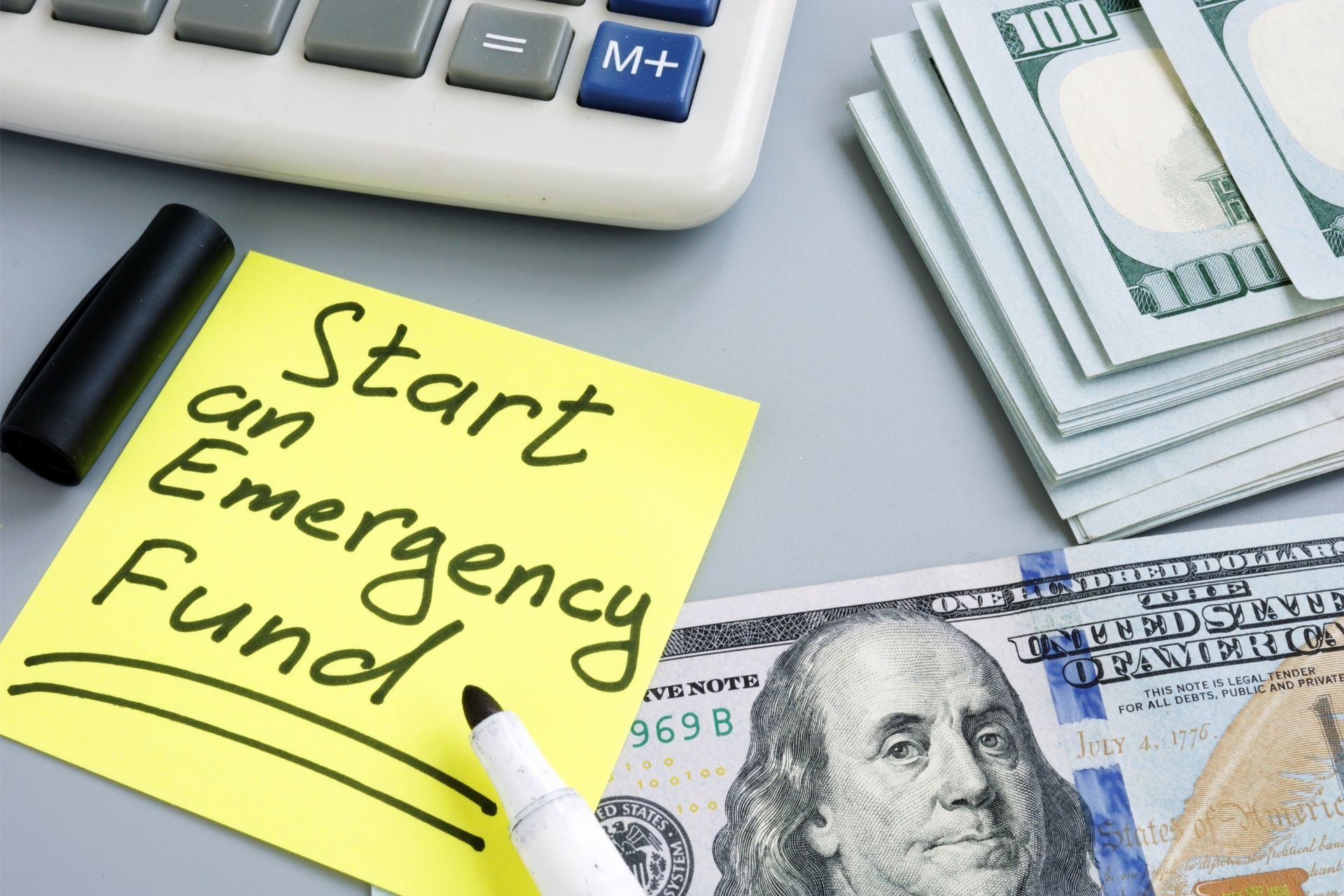
Not having an emergency fund is a huge mistake that can derail your budget. Unexpected expenses can pop up at any time, and without an emergency fund, you’ll find yourself scrambling for cash. This is one of the ways you’re destroying your budget without knowing it.
The best way to protect yourself from financial surprises is to build an emergency fund. Start small – aim for at least $500 to $1,00 to cover urgent expenses. Once you reach that, work toward saving three to six months’ worth of living expenses in a separate, easily accessible account. Automate your savings by setting up automatic transfers, even if it’s just a small account each paycheck.
Having an emergency fund gives you financial security and peace of mind, ensuring that a single unexpected expense won’t derail your entire budget.
13. Eating Out Too Often

Frequent dining out is another common budget leak. The cost of eating out can add up quickly. A $15 meal here and a $30 dinner there can quietly drain hundreds of dollars from your budget each month – money that could be used for savings, debt repayment, or other financial goals.
Plus, eating out often comes with added costs like tips, delivery fees, and inflated menu prices. Before you know it, a habit that feels convenient is one of your biggest budget leaks.
The truth is you don’t have to cut eating out completely; rather, you can save money eating out by setting limits.
Start by cooking at home more often and meal prepping to avoid the temptation of last-minute takeout. When you do eat out, opt for budget-friendly choices like lunch specials or split meals to cut costs. Set a monthly dining-out budget and stick to it – this way, you can still enjoy restaurant meals guilt-free while keeping your finances in check.
Ways You’re Destroying Your Budget Without Knowing It – Recap
You might not realize how small, everyday habits are hurting your budget, but over time, they can lead to serious financial problems. The good news is that by identifying these hidden expenses, you can make smarter choices and improve your financial situation. Simple steps—like cutting back on impulse purchases, tracking your spending, and building an emergency fund—can make a big difference.
By following the practical tips in this guide, such as setting spending limits and planning ahead, you can stop wasting money and take charge of your finances.
Pin this for later!