

When you’re drowning in debt, it’s easy to fall for quick fixes just to get rid of it as fast as possible. But many so-called solutions only make things worse. Not all debt payoff strategies are smart—some can leave you in a worse financial situation than before. High-interest loans, risky withdrawals, and short-term fixes can drain your savings, damage your credit score, or even trap you in an endless cycle of debt.
Before taking any action to pay off debt, it’s crucial to distinguish good strategies from bad ones. In this blog post, I’ll walk you through the 10 worst ways to pay off debt—mistakes that may seem like solutions but can set you back financially.
If you’re serious about becoming debt-free, knowing what to avoid is just as important as knowing what to do.

10 Worst Ways To Pay Off Debt
Before you initiate debt repayment, it is crucial to understand that some debt repayment methods leave you deeper in debt, while others put your savings, home, or future security at risk. Below is a breakdown of the 10 worst ways to pay off debt and what you should do instead:
1. Turning To A Debt Settlement Company

One of the worst ways to get out of debt is to turn to a debt settlement company. Debt settlement companies promise a quick fix, but the reality is often far from it.
These companies claim they can negotiate with your creditors to reduce your debt, but in the process, they often tell you to stop making payments, which can wreck your credit score and lead to late fees, penalties, and even lawsuits. Worse, there’s no guarantee that your creditors will agree to settle, leaving you deeper in debt while the settlement company pockets hefty fees.
Instead of trusting a for-profit company that may not have your best interest at heart, consider working with a nonprofit credit counseling agency. They can help you create a realistic repayment plan without tanking your credit or charging outrageous fees.
If you struggle with debt, you can check out this guide on the 12 habits of debt-free people you need to copy.
2. Selling Everything You Have
When debt feels overwhelming, many people don’t realize they’re choosing bad ways to pay off debt until it’s too late. The idea of selling off everything you own might seem like a fast way to get relief. While downsizing and selling unneeded items can be a smart move, going to the extreme – liquidating valuable assets, furniture, or even essentials – can hurt you in the long run.
You might clear some debt temporarily, but without a solid financial plan, you could end up right back where you started, only now with nothing left to fall back on.
Instead of a desperate fire sale, focus on selling non-essential items that won’t impact your day-to-day life. If you need extra cash, consider a side hustle, negotiating bills, or cutting unnecessary expenses. The goal is to pay off debt without sacrificing your financial stability or quality of life.
3. Credit Card Cash Advance

Taking out a cash advance on your credit card feels like quick relief, but it’s one of the most expensive ways to borrow money.
Unlike regular purchases, cash advances start accruing interest immediately – often at a much higher rate than your usual credit card APR. On top of that, most credit card companies charge hefty fees for cash advances, making your debt even more expensive to repay. Instead of getting ahead, you’ll find yourself paying even more in interest and fees, digging a deeper financial hole.
Instead of relying on a high-cost cash advance, look into lower-interest options like a personal loan from a credit union or a balance transfer credit card with a 0% introductory APR.
If you need short-term cash, consider cutting expenses, increasing income, or negotiating payment plans with creditors – all of which can help you tackle debt without resorting to a costly quick fix.
4. Borrowing From 401(k)

Dipping into your 401(k) might seem like a smart way to handle debt, but it’s a risky move with serious long-term consequences. While you’re technically borrowing from yourself, you’re also robbing your future retirement savings—and if you leave your job before repaying the loan, you could be forced to repay it immediately.
Plus, if you can’t repay it on time, it’s treated as a withdrawal, meaning you’ll face income taxes and a 10% early-withdrawal penalty if you’re under 59. The real damage? You’ll lose out on years of compounding growth, which can significantly shrink your retirement nest egg.
Instead of jeopardizing your future, explore alternatives like credit counseling, negotiating lower interest rates, or earning extra income. If you’re struggling with high-interest debt, consider the debt snowball or avalanche repayment method to systematically pay down what you owe—without sacrificing your long-term financial security.
5. Withdrawing From Your Retirement Fund
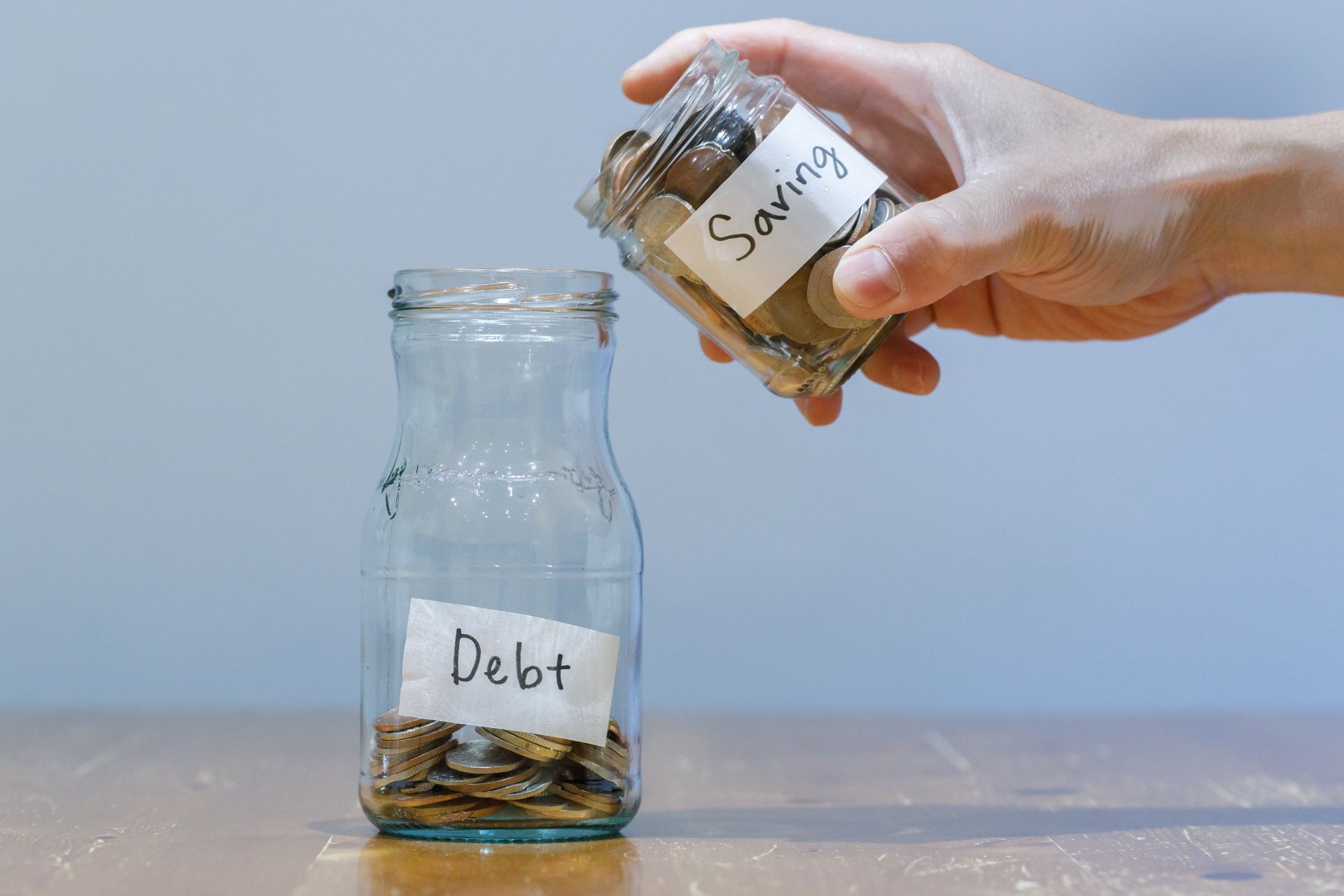
Draining your retirement fund to pay off debt is not only risky, but also one of the worst ways to pay off debt.
The money in your retirement account is meant to grow over time, benefiting from compound interest. By pulling funds out early, you not only lose out on potential growth, but you could also face steep penalties and taxes. This means you’ll pay more in fees and lost growth than the actual debt you were trying to eliminate.
Rather than sacrificing your future financial security, focus on creating a structured debt repayment plan. Look into low-interest debt consolidation, negotiating better repayment terms, or increasing your income through side gigs or freelancing. The key is to tackle your debt without sabotaging your long-term financial well-being.
6. Borrowing Against A Life Insurance Policy

Taking a loan against your life insurance policy might seem like an easy solution, but it comes with serious risks.
While you’re technically borrowing from your policy, unpaid loans reduce the d##th benefit your loved ones would receive. If you don’t repay the loan, interest continues to accumulate, eating away at your policy’s value. Worse, if the loan balance grows too large, your policy could lapse, leaving you with no coverage and a hefty tax bill on any gains.
Instead of putting your family’s financial security at risk, explore other options like lower rates, picking up a side hustle, or following a structured debt payoff plan. Life insurance is meant to protect your loved ones, not serve as a risky short-term fix for debt.
7. Using A Home Equity Loan The Wrong Way

A home equity loan (or home equity line of credit – HELOC) can seem like a tempting way to consolidate debt because it often comes with lower interest rates than credit cards or personal loans. However, using your home’s equity carelessly or for the wrong reasons makes it one of the worst ways to pay off debt.
The biggest risk? You’re putting your home on the line. Unlike unsecured debt (such as credit cards), home equity loans are secured by your home, meaning if you fail to make payments, you could lose your house. That’s a huge price to pay for trying to get rid of debt.
Instead of risking your home, you could consider a debt repayment method like the debt snowball (paying off small balances first) or the debt avalanche (targeting high-interest debt first). If consolidation is necessary, look for low-interest personal loans or 0% balance transfer credit cards that don’t put your home at risk.
Most importantly, focus on changing your spending habits, creating a budget, and building a sustainable financial plan – so you don’t find yourself in the same situation again.
8. Consolidating With A High-Interest Loan

Debt consolidation can be a smart strategy – but only if you do it the right way. The biggest mistake people make is consolidating their debt with a high-interest personal loan or predatory lender, thinking it will make repayment easier. In reality, this move often makes your financial situation worse by increasing the overall cost of your debt.
Many debt consolidation loans come with high-interest rates, especially if you have a low credit score. If you’re paying 15 – 30% interest on a consolidation loan, you’re not saving money – you’re just shuffling debt around and extending repayment. Some lenders also charge origination fees, repayment penalties, and other hidden costs, making the loan more expensive.
If you’re considering debt consolidation, make sure it’s saving you money. Look for loans with low fixed interest rates, preferably from a credit union or reputable lender. Better yet, consider a 0% APR balance transfer credit card if you can pay off the balance within the promotional period.
Most importantly, focus on paying off debt aggressively and cutting unnecessary expenses, rather than relying on a loan to “fix” the problem.
9. Robbing Peter to pay Paul
If you’re shifting debt around without reducing what you owe, you’re falling into one of the worst ways to pay off debt – one that keeps you trapped in a never-ending cycle.
Many people fall into the trap of using one credit card to pay off another, taking out new loans to cover old ones, or using payday loans to bridge gaps. This creates a dangerous cycle where you’re always playing catch-up, and the debt never actually disappears. One of the worst ways this happens is through balance transfers without a repayment plan.
While 0% APR balance transfer cards can be useful, transferring debt without paying it down only prolongs the problem. When the promo period ends, you could be stuck with sky-high interest rates on an even larger balance.
Payday loans and high-interest personal loans are another common way people “rob Peter to pay Paul.” These loans often come with triple-digit interest rates and unforgiving repayment terms, making it nearly impossible to break free from debt.
Instead of constantly shifting debt around, focus on breaking the cycle for good. List all your debts and find a method that works well for you. If you’re struggling with payments, talk to your creditors – many offer hardship programs, reduced interest rates, or extended repayment plans.
10. Hiring A Debt Settlement Firm

Debt settlement firms promise big results, claiming they can negotiate with your creditors to slash your debt. But in reality, these companies often do more harm than good, and they come at a steep price.
Here’s how it works: the firm tells you to stop paying your creditors and instead send payments to them while they negotiate on your behalf. Meanwhile, your credit score plummets, and rack up late fees and penalties. Even worse, creditors aren’t obligated to negotiate, meaning you could be waiting months or even years with no guarantee of settlement.
A smarter alternative to relying on a costly third party is to negotiate with your creditors directly. Many creditors are willing to lower interest rates, adjust payment plans, or even offer hardship programs if you reach out.
If you need professional guidance, consider working with a nonprofit credit counseling agency – they can help you create a debt management plan without the outrageous fees and risks that come with debt settlement firms.
Worst Ways To Get Out Of Debt – Recap
One of the worst things you can do while trying to get out of debt is to ignore the root cause of your financial struggles. Quick fixes like debt settlement firms, cash advances, or raiding your retirement savings may seem like solutions, but they often lead to bigger financial problems in the long run.
Avoiding these 10 worst ways to pay off debt is key to getting your finances back on track. Getting out of debt is tough, but it is much better to have zero debts. Learn how to achieve that in this guide on how to live a debt-free life.
Pin this for later!
