

I still remember the first time I borrowed money out of pure panic. My bank account was empty, my car had just broken down, and payday was two long weeks away. Desperate, I found a “quick fix” loan online and thought, This will get me through. And it did for about a week. Then the interest kicked in… and just like that, I was drowning instead of staying afloat.
Here’s what I’ve learned since: how you borrow money is just as important as why you borrow. Choose the wrong kind of loan, and you can end up in a cycle that’s hard to break, one that drains your wallet, damages your credit, and even puts a strain on your relationships.
After years of helping people dig out of debt and build healthier financial habits, I can tell you this with certainty: avoiding the worst ways to borrow money can save you from massive stress, sleepless nights, and thousands of wasted dollars.
In this blog post, we’ll break down seven of the worst ways to borrow money, why they’re so risky, how they quietly derail your finances, and what best move to make without setting yourself up for long-term trouble.
By the time you’re done reading, you’ll know how to borrow smarter, protect your financial health, and steer clear of the common pitfalls that keep so many people stuck in debt.
7 Worst Ways To Borrow Money
Not all debt is bad, but choosing the worst ways to borrow money can do serious damage. Some options might seem like a quick fix, but they can drain your bank account, wreck your credit, and leave you stressed for months (or even years).
The truth is, too many people rush into “fast cash” without realizing the long-term consequences. What feels easy in the moment often comes with sky-high interest rates, sneaky fees, and emotional weight that sticks around far longer than the money.
Let’s take a look at some of the most harmful ways to borrow money and why avoiding them can save you a world of financial trouble.
1. Payday Loans
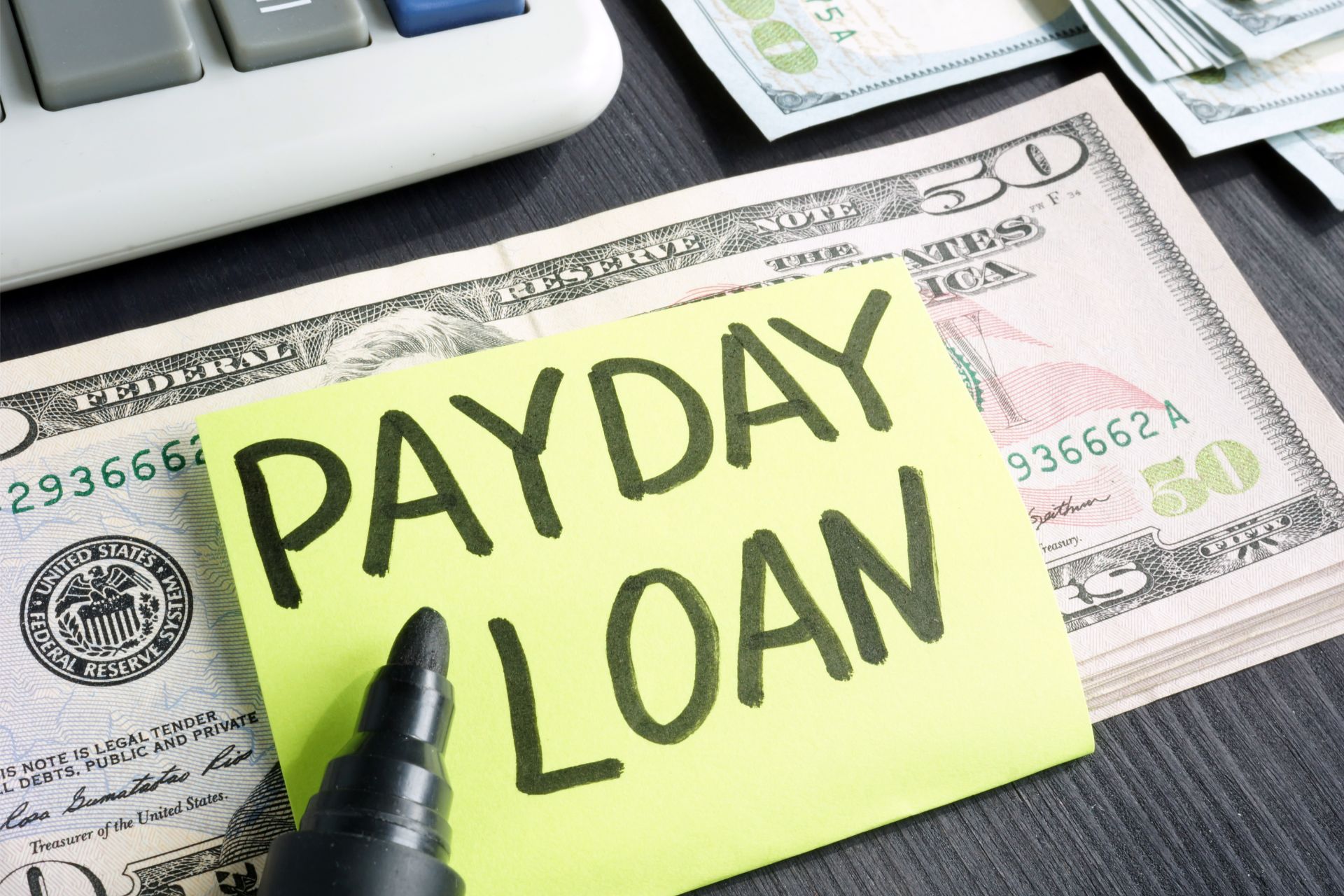
If financial traps had a mascot, it would be the payday loan fast cash. This is because no question is asked when obtaining this type of loan. But behind that convenience? The interest rates can skyrocket to 300-500% APR.
For instance, let’s say you borrow $500 today, the loan amount could double or triple within months if you can’t pay it back immediately.
The real danger isn’t just the sky-high interest; it’s the cycle these loans create. Many people end up taking out a second loan just to cover the first, sinking deeper into a financial hole with each step.
Even with tighter regulations in places like the U.S. and U.K., payday loans remain one of the ugliest ways to borrow money.
2. Credit Card Cash Advances

Swiping your credit card for everyday purchases is one thing, but using it for a cash advance is one of the dumbest ways to borrow money, potentially leaving you paying for years.
Most card issuers start charging interest immediately, often at rates higher than your normal purchase APR, and they usually tack on additional fees of 3–5% per transaction.
The danger lies in how deceptively “easy” this money feels. People often use cash advances to cover emergencies, only to discover that the balance grows fast under compounding interest.
If you’re tempted, pause and explore lower-cost alternatives first, like a short-term loan from a credit union or a small employer advance.
3. Title Loans

Title loans prey on urgency and desperation, letting you borrow against your vehicle’s title but at a steep cost. Interest rates can reach triple digits annually, and if you can’t repay on time, you risk losing your car altogether.
While handing over your keys for quick cash may seem like a temporary fix, title loans are structured to keep you in debt. Most borrowers end up rolling over loans repeatedly, paying far more in interest than the amount they originally borrowed.
A safer option would be exploring credit union loans, community lending programs, or debt consolidation before putting your only mode of transportation at risk.
4. Borrowing From Buy Now, Pay Later
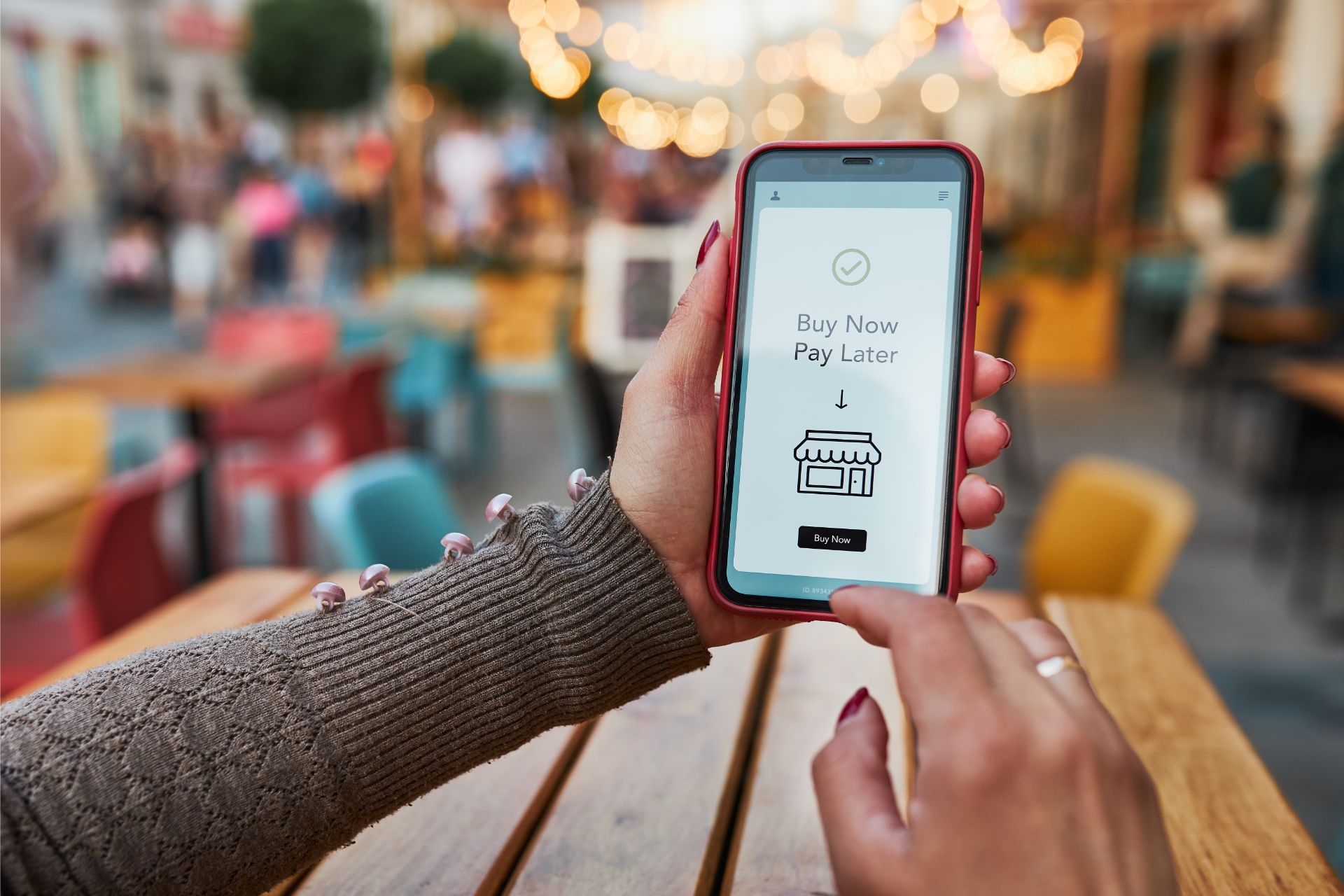
“Buy Now, Pay Later” (BNPL) apps like Klarna, Afterpay, or Affirm seem harmless because they break purchases into smaller payments. But overusing them is one of the sneakiest ways to slide into debt. While one or two installments may feel manageable, juggling multiple payments across different apps can quickly become overwhelming.
The real danger lies in the illusion of affordability. BNPL makes it easy to spend money you don’t have on non-essential items. Miss a payment, and you may face late fees, interest charges, and a negative impact on your credit score.
If you rely on BNPL to maintain your lifestyle, it’s a sign that your budget needs adjusting, not more debt.
5. Loan Sharks Or Unlicensed Lenders

Turning to unlicensed lenders or loan sharks might feel like a last resort when cash is tight, but it’s also one of the dumbest ways to borrow money.
These lenders often charge exorbitant interest rates and may use threats or harassment to collect payment. There are no formal agreements, no legal protections, and no safety nets if things go wrong.
Borrowing from loan sharks can trap you in a cycle of fear and unmanageable debt. Instead, explore safer alternatives like credit unions, employer-based loan programs, or peer-to-peer lending platforms that follow legal guidelines.
Protecting your peace of mind is just as important as solving a temporary cash problem.
6. Borrowing From Friends Or Family Without Clarity

Borrowing from loved ones can feel like the safest option, but without clear terms and boundaries, it’s a ticking time b#mb.
Mixing money and relationships often leads to resentment, awkward family gatherings, and strained friendships that can last years beyond the debt itself.
The problem arises when expectations aren’t set up front. Will there be interest? What’s the repayment timeline? What happens if you miss a payment? I’ve seen relationships fall apart simply because “I thought you said next month” turned into an unpaid loan and broken trust.
If you ever must borrow from family or friends, put everything in writing, agree on the terms, and treat it as seriously as you would a bank loan.
7. Taking Out Personal Loans Without A Repayment Plan

Personal loans can be a useful tool, but borrowing without a clear repayment plan is one of the worst mistakes you can make. Without a plan, it’s easy to overestimate your ability to repay, underestimate interest, and spiral into long-term debt.
Many people make the mistake of using personal loans for non-essential spending like vacations or luxury purchases without first mapping out how and when the loan will be repaid. Over time, the debt becomes just another monthly bill, limiting your financial freedom and creating long-term stress.
Before taking out any personal loan, calculate the total cost, set a strict repayment timeline, and make sure it aligns with your income and budget. Borrowing without a clear repayment plan is one of the worst ways to borrow money, and it often leads to stress and long-term debt.
The Smart Ways To Borrow Money
Borrowing money doesn’t always have to be a mistake, especially if you’ve learned to avoid the worst ways to borrow money and choose smarter alternatives. When used strategically, borrowing can be a powerful financial tool to help you handle emergencies, invest in opportunities, and improve your long-term stability. The key difference between smart borrowing and dangerous debt is having a plan, purpose, and clear terms before taking on any obligation.
Let’s explore the smartest ways to borrow money without sabotaging your financial future.
1. Borrowing For Income-Generating Purposes
The best way to borrow money is the one that pays you back. If you must borrow, it should be for something that increases your earning potential, like investing in a certification, launching a side business, or buying equipment that helps you generate income.
For example, taking a small business loan to buy tools that allow you to take on higher-paying freelance work can pay for itself. Compare that to borrowing for a luxury purchase, which only drains your future income. Productive debt fuels growth; unproductive debt fuels regret.
2. Using A 0% APR Credit Card With A Repayment Strategy
Some credit card issuers offer 0% APR introductory periods on purchases or balance transfers, often lasting 12–18 months. When used wisely, this is essentially interest-free borrowing.
However, the trick is discipline. Create a clear repayment plan to ensure the balance is paid off before the promotional period ends, or you could face retroactive interest charges.
This strategy works well for short-term cash flow gaps or debt consolidation, but only if you stay organized and consistent with payments.
3. Low-Interest Personal Loans From Credit Unions Or Trusted Lenders
When borrowing is unavoidable, low-interest personal loans from credit unions or established banks are one of the safest options. Credit unions, in particular, often have lower rates and more flexible terms than traditional banks or online lenders.
Always compare rates and fees, and avoid jumping on the first offer you see.
Borrowing from a reputable, regulated institution ensures you get clear terms and legal protection, unlike loan sharks or unlicensed lenders.
4. Emergency Loans Through Employer Or Payroll Advance Apps
Some employers and financial apps allow you to access a portion of your paycheck early for emergencies, often with little or no interest. This is a safer alternative to payday loans because it doesn’t involve predatory fees or long-term debt traps.
If you’re looking for more smart tools to stay ahead of your finances, check out this blog post on the 15 best debt payoff apps.
If your employer offers this, confirm any associated fees or repayment terms. When used sparingly and responsibly, this can cover urgent needs without compromising your financial future.
5. Family Loans
Borrowing from family can be a smart option if handled professionally. The key is to treat it like a real loan: agree on the amount, repayment schedule, and whether interest applies, and put everything in writing.
This approach not only preserves relationships but also builds trust and accountability. I’ve seen family loans work beautifully when both sides communicate openly and disastrously when they rely on vague promises.
6. Refinancing Or Consolidating Debt To Lower Interest
If you’re already juggling multiple high-interest debts, refinancing or debt consolidation can simplify payments and reduce interest costs.
For instance, replacing several 25% APR credit cards with a single 8% personal loan can save hundreds or even thousands over time.
This works best if you commit to not taking on new high-interest debt after consolidating. Otherwise, you could end up deeper in the cycle you’re trying to escape.
7. Borrowing From Yourself
In some cases, you can borrow against assets you already own, such as the cash value of a life insurance policy or certain retirement accounts. These loans typically have low interest rates and don’t require a credit check.
However, this option should be used cautiously. Failing to repay could impact your policy benefits or retirement savings. But if done correctly, it allows you to access funds quickly without getting trapped in a cycle of regret.
Final Take On Bad Ways To Borrow Money
Borrowing money isn’t inherently bad; it’s how you borrow that determines whether it builds your future or breaks it.
Avoiding the worst ways to borrow money is the first step toward staying debt-free and financially secure because they usually come with high interest rates, hidden fees, and the emotional burden of debt that can follow you for years.
The key to protecting your finances is awareness and intentionality. Before taking on any debt, ask yourself: Will this loan improve my financial life, or will it simply create another hole I need to fill? If it’s the latter, step back and consider smarter alternatives.
Avoiding impulsive borrowing and approaching debt with a solid, intentional plan can make all the difference. It helps you stay ready for life’s surprises, grab new opportunities, and build lasting financial freedom without the “what was I thinking?” moments. But don’t stop here, take it a step further. Check out these 10 best tips for avoiding and staying out of debt.
Pin this for later!